What to see in the village
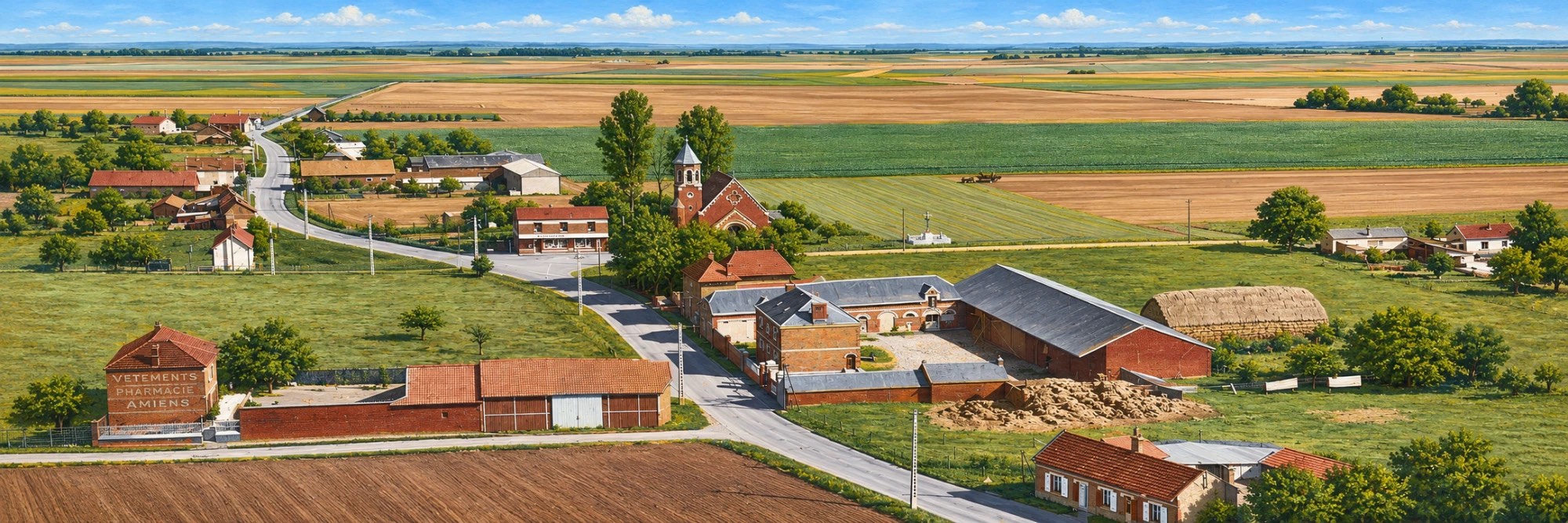
A village entirely rebuilt after 1918: brick, slate and the style of the Reconstruction give it its character.
The church of Saint-Pierre
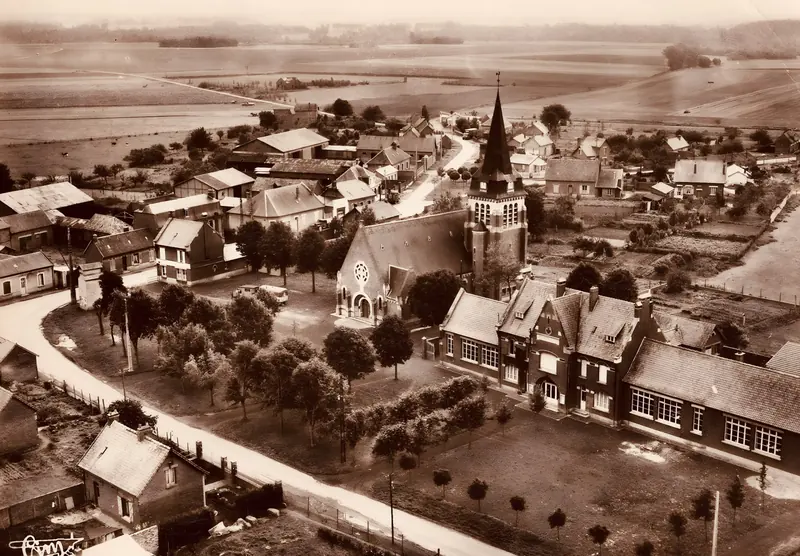
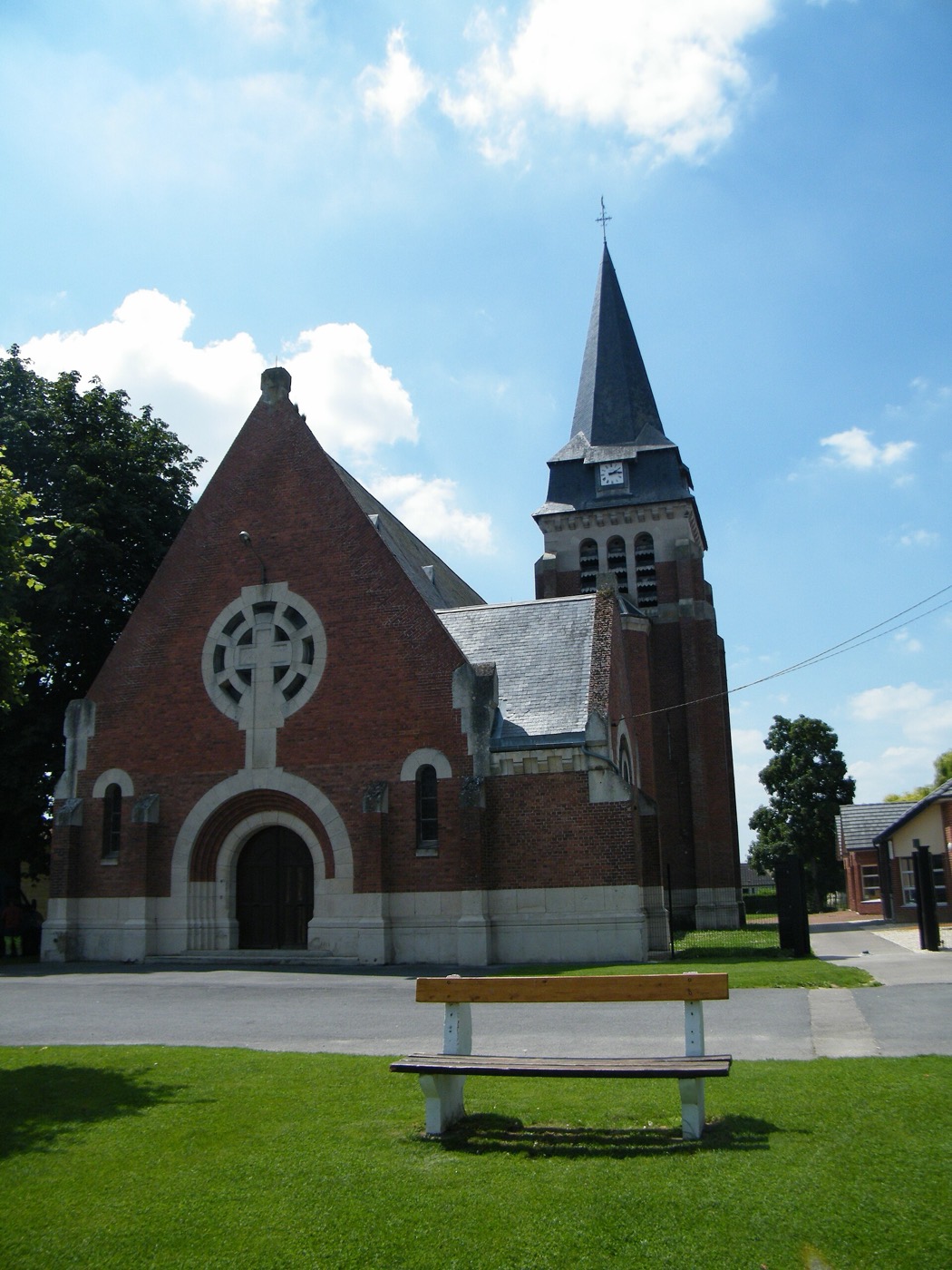
The medieval church, heir to the Cluny priory, did not survive the bombardments of 1914-1918. The one you see today was rebuilt after 1918: a brick nave, a gable pierced by a large rose window, and a tall slate spire with pinnacles that can be seen from far across the plateau.
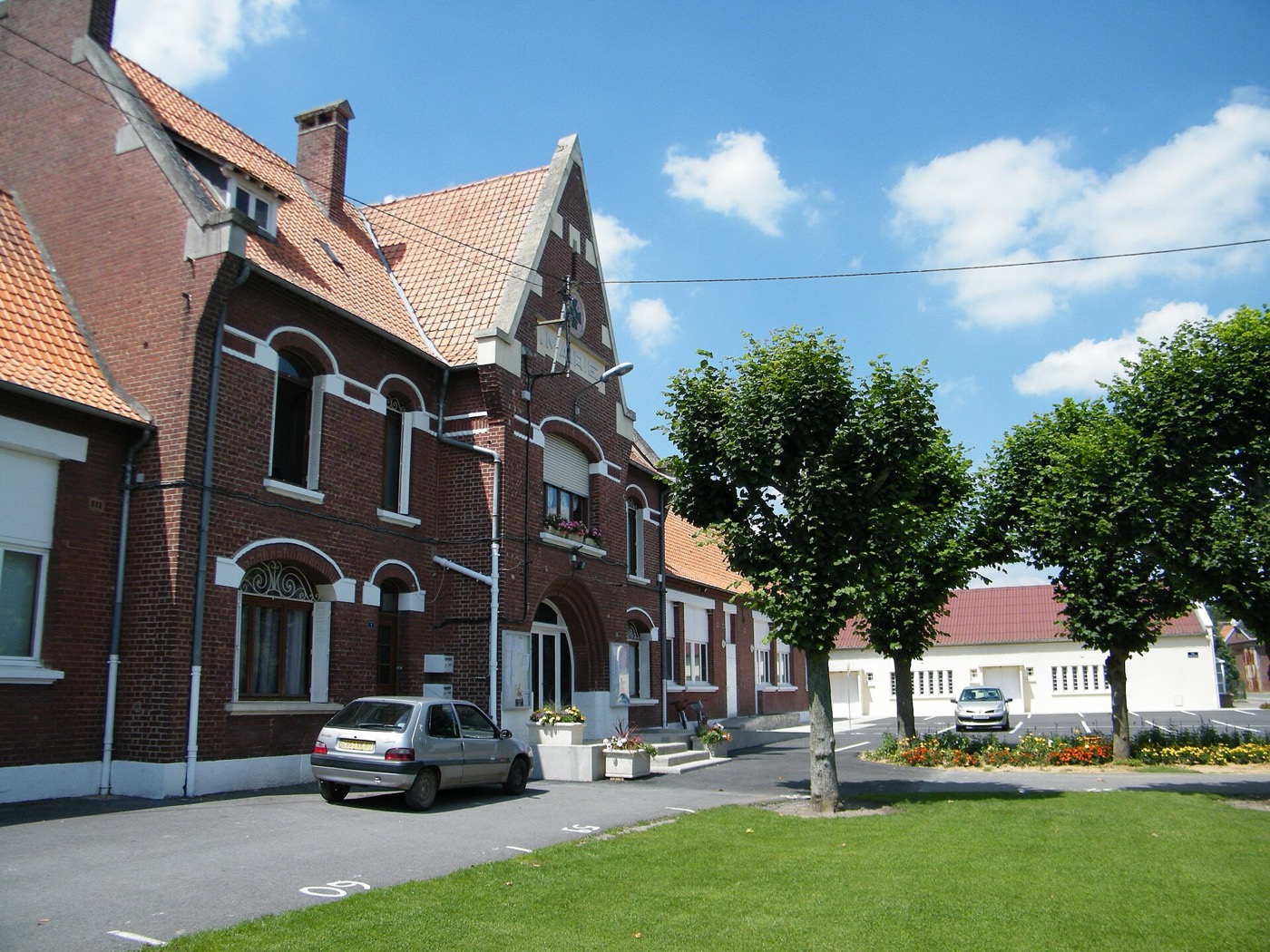
At its foot, the Reconstruction town hall and school, with its Flemish-inspired stepped gable, forms with the tree-lined square a typical ensemble of villages rebuilt after the Great War.
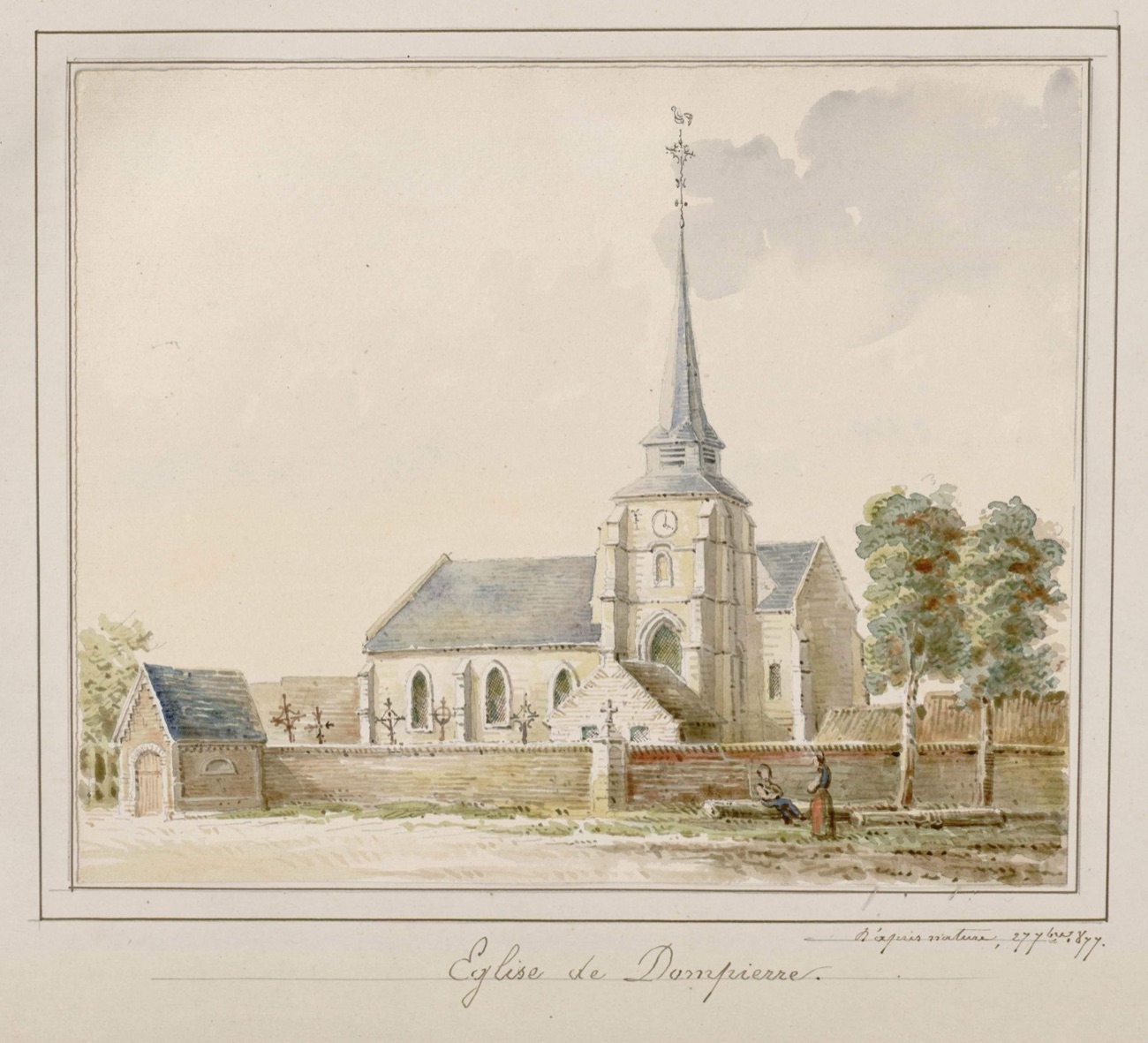
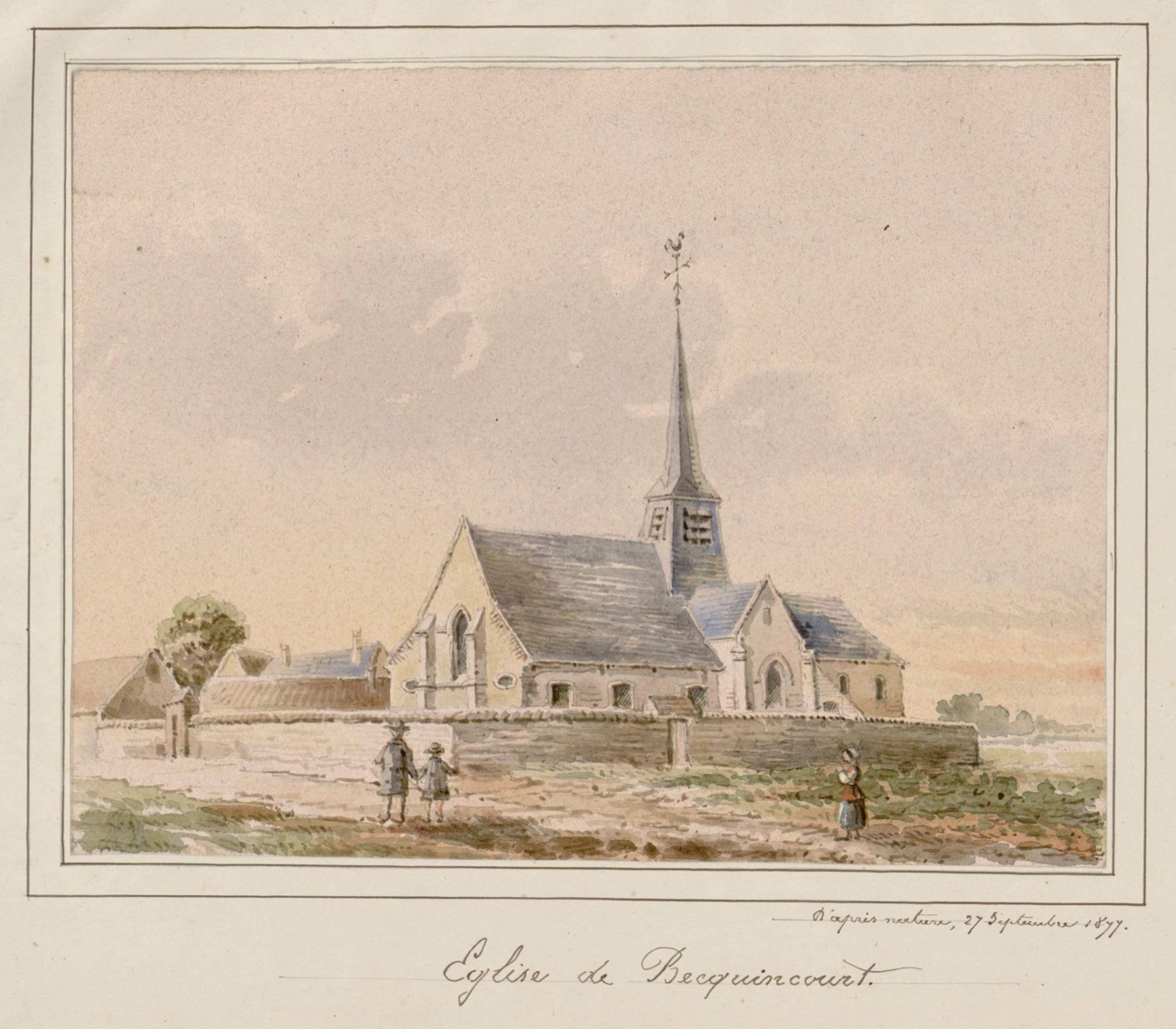
Before the war, this is what it looked like: a clock tower, a slate spire, the nave and the cemetery wall, as painted by Oswald Macqueron in 1877 (see in the history).
The church of Saint-Denis, future "Plük church"
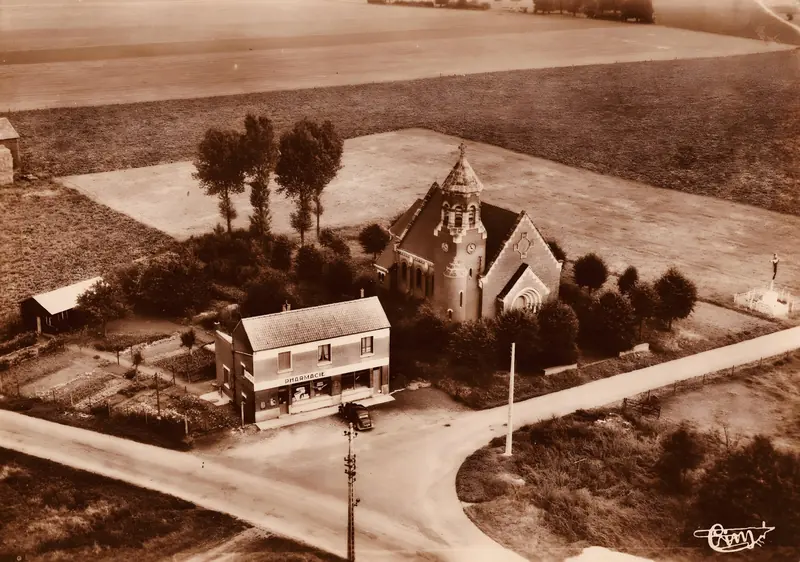
The former church of Becquincourt, which dated from the 15th century, disappeared in the fighting of 1914-1918. Built from 1928 to 1930 by the architect Louis Poisson, the church of Becquincourt is a little jewel of the Reconstruction: brick and white stone, a Romanesque porch, stepped gables and an octagonal bell tower topped with a slate dome, with its clocks.
Closed in 1980 and deconsecrated in 1983, it was sold in 2008. It has been enjoying a second life since: under renovation, it is intended to house an unusual place to stay and exhibitions. In 2016, eighteen students of the Lille school of architecture worked on its future.
To find out more about this project, visit saintpluk.com.
Right next to it stands the great wayside cross of Becquincourt, clearly visible on old postcards.
The earlier, medieval church was painted in 1877 by Oswald Macqueron; it would be destroyed during the Great War (see in the history).
The national cemetery
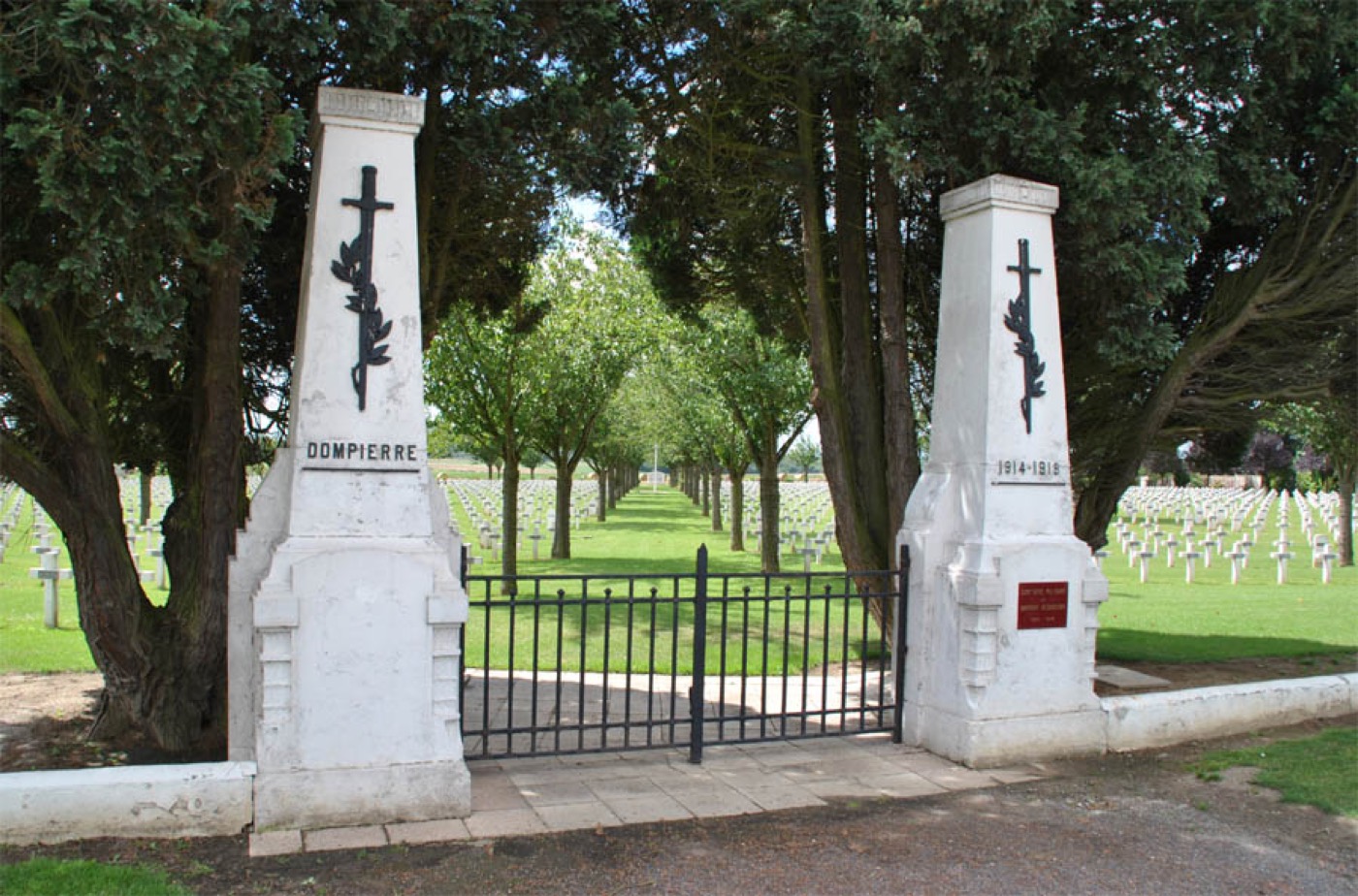
At the edge of the village, more than 7,000 soldiers of the Great War rest facing the plain where they fell.
Created in 1920 then redeveloped in 1935-1936 to gather the graves of many temporary cemeteries in the area, the cemetery holds 7,033 bodies: 5,362 in individual or collective graves, and 1,671 unknown soldiers in four ossuaries.
It shows the whole diversity of the French army of 1916: Senegalese, Algerian and Indochinese riflemen, cavalrymen, and many foreign volunteers of the Legion — Danes, Luxembourgers, Swiss, Spaniards… There is also a German, a Russian, a Swede, a Belgian, and a soldier who fell on 9 June 1940.
At the entrance, a monument given by the region's Italian community, inaugurated on 11 October 1923, celebrates Franco-Italian friendship.
Visit
- Where
- On the D 71, at the edge of the village, near the communal cemetery
- When
- Free access all year round
- Good to know
- An information board presents the history of the site. Please respect the quiet of the place.
The war memorial
Inaugurated in 1924 in the heart of Dompierre: a poilu ready to leap to the assault, on a pyramid-shaped stone. Both villages were awarded the Croix de guerre 1914-1918.
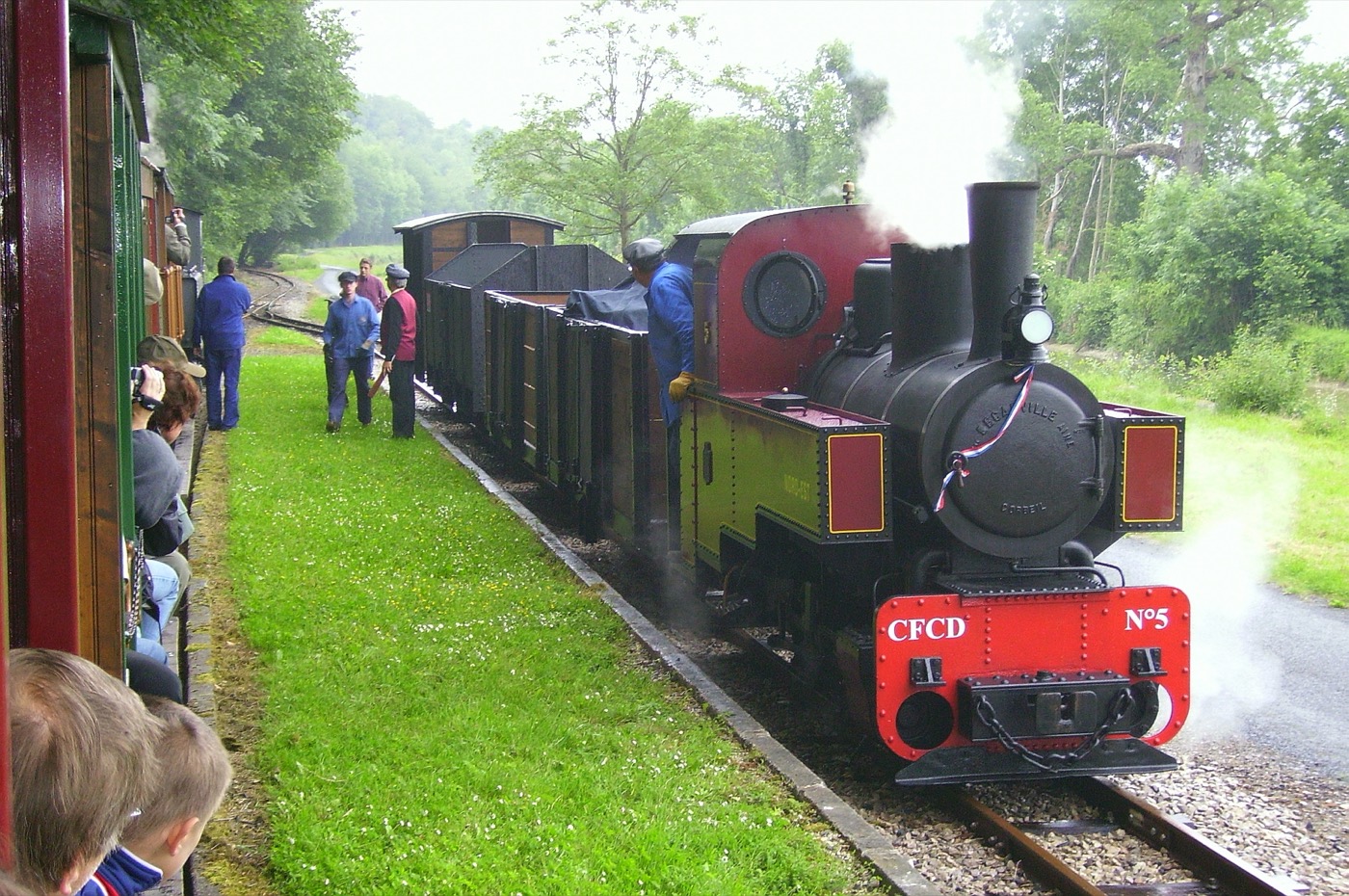
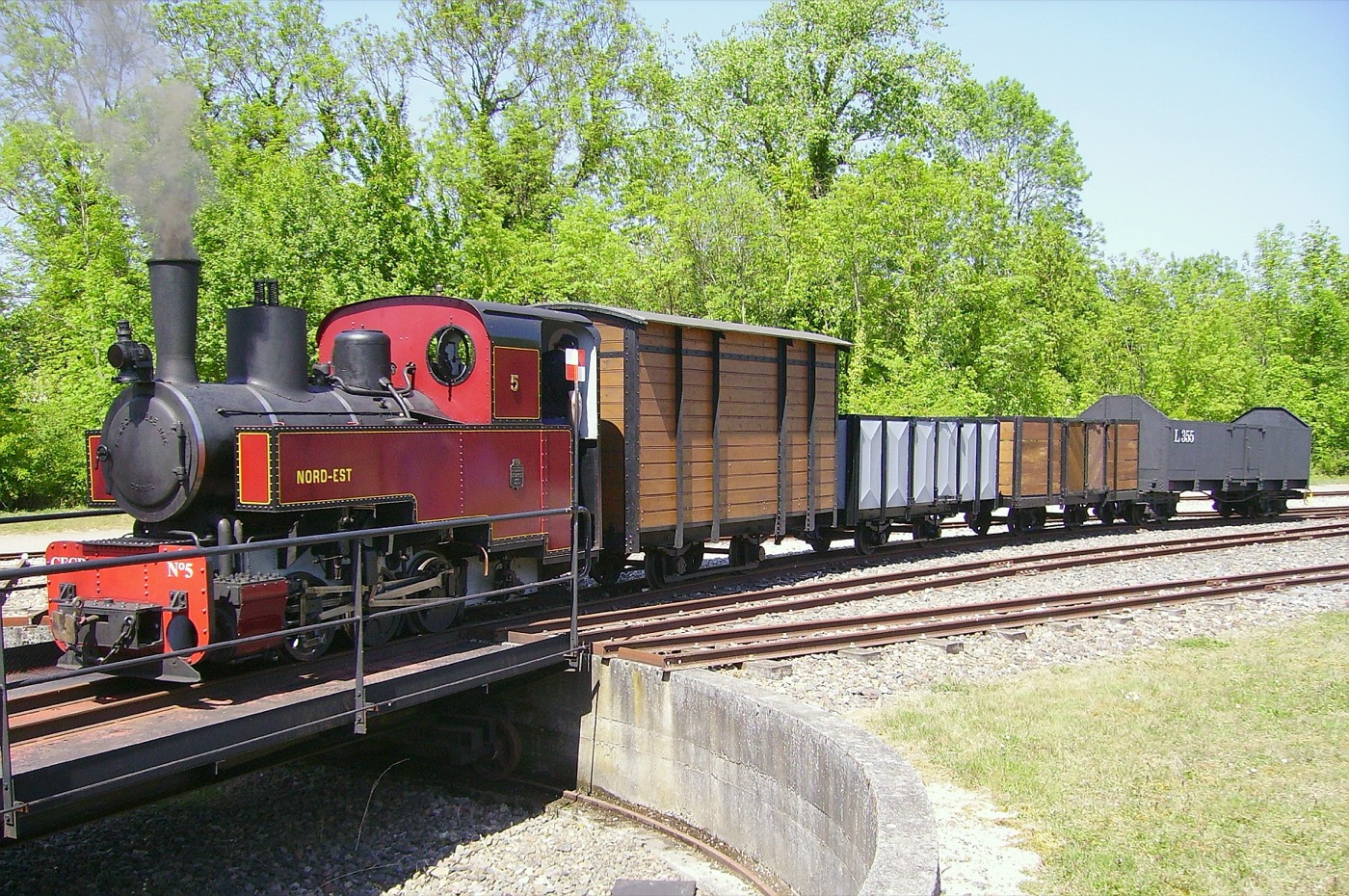
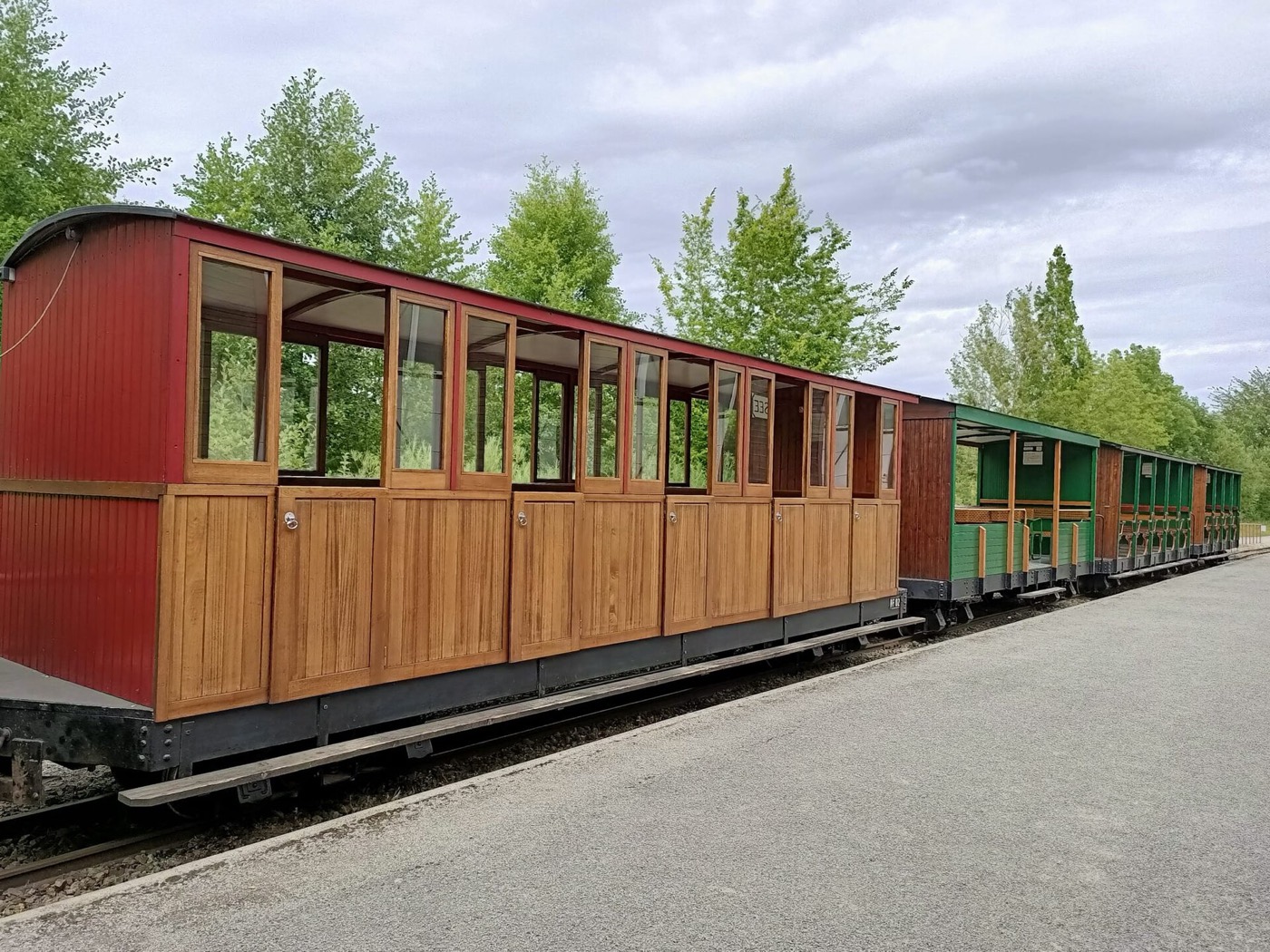
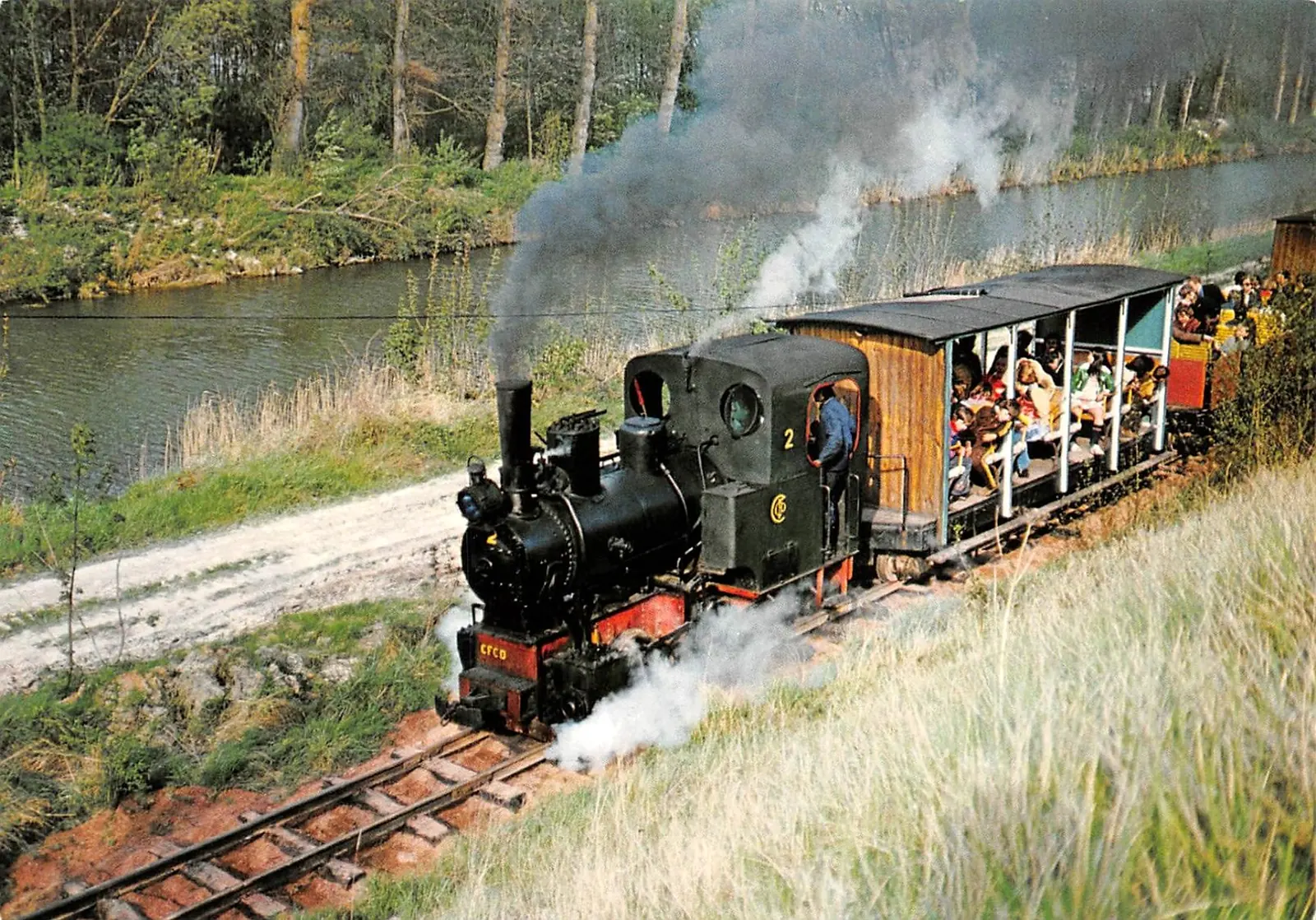
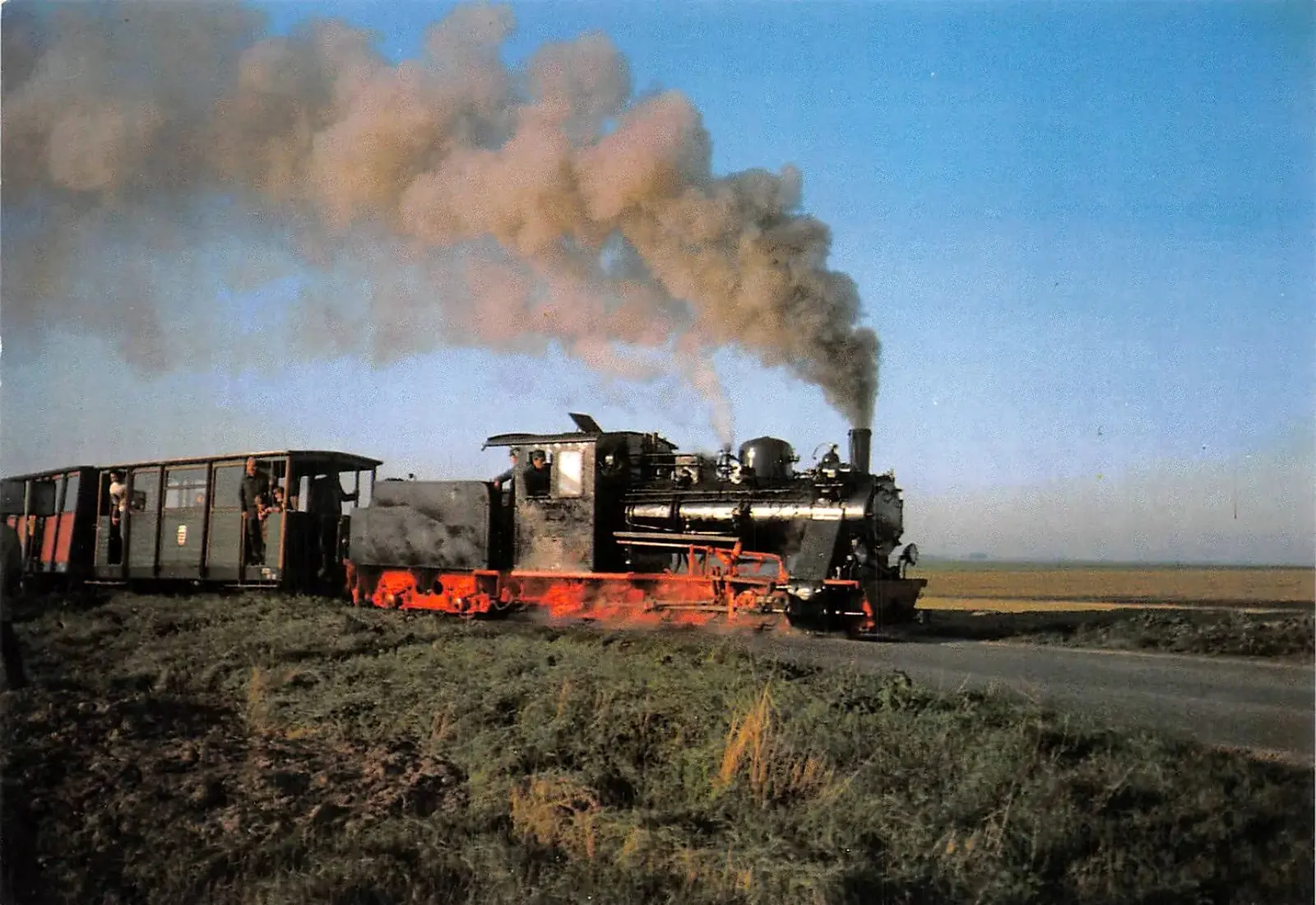
The little steam train of the Haute Somme
In 1916, to prepare the great Somme offensive, the French and British armies laid in a few months a network of 60-centimetre-gauge track. After the war, the Dompierre sugar mill took over the Cappy line to send its sugar down to the canal.
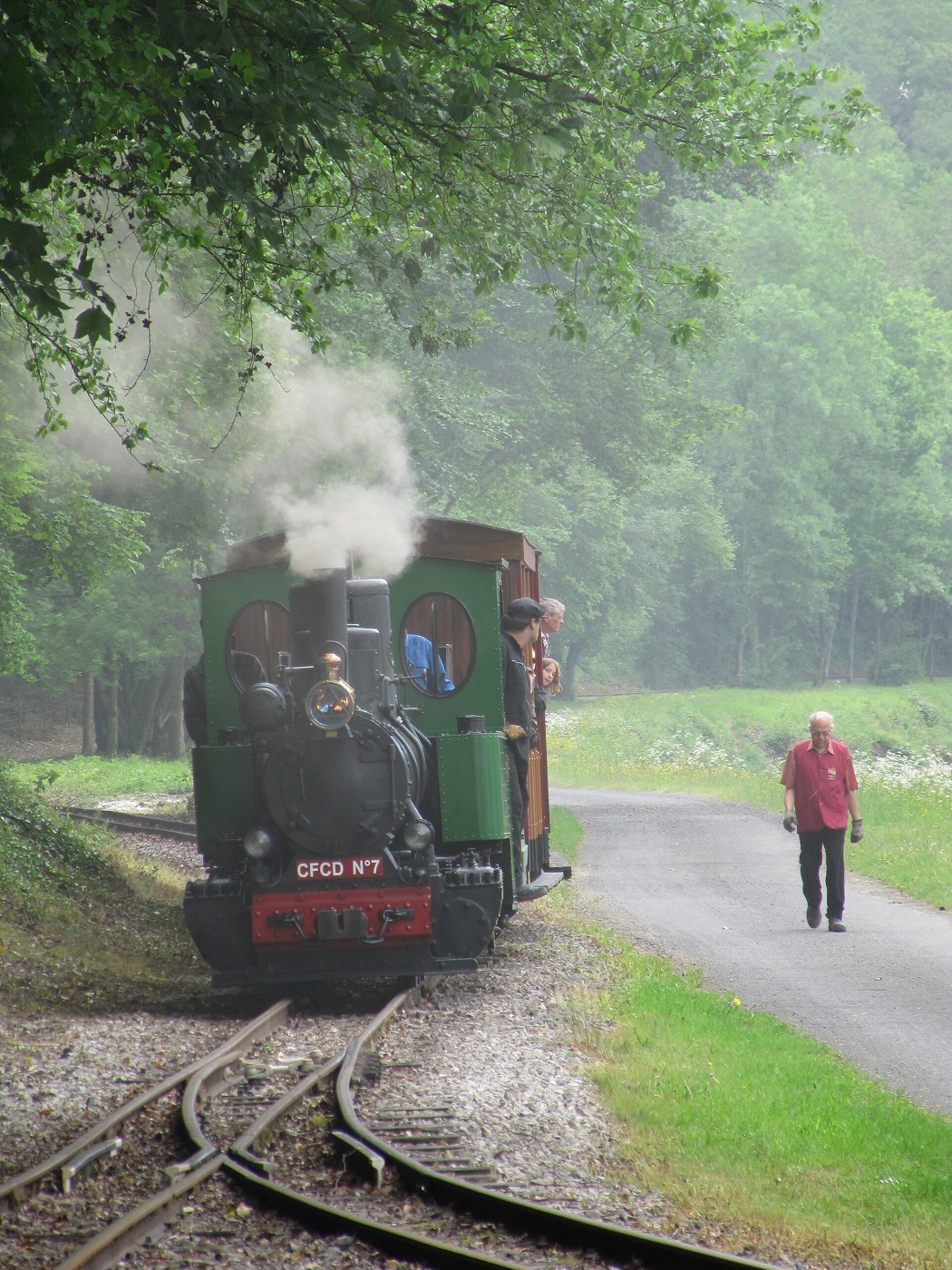
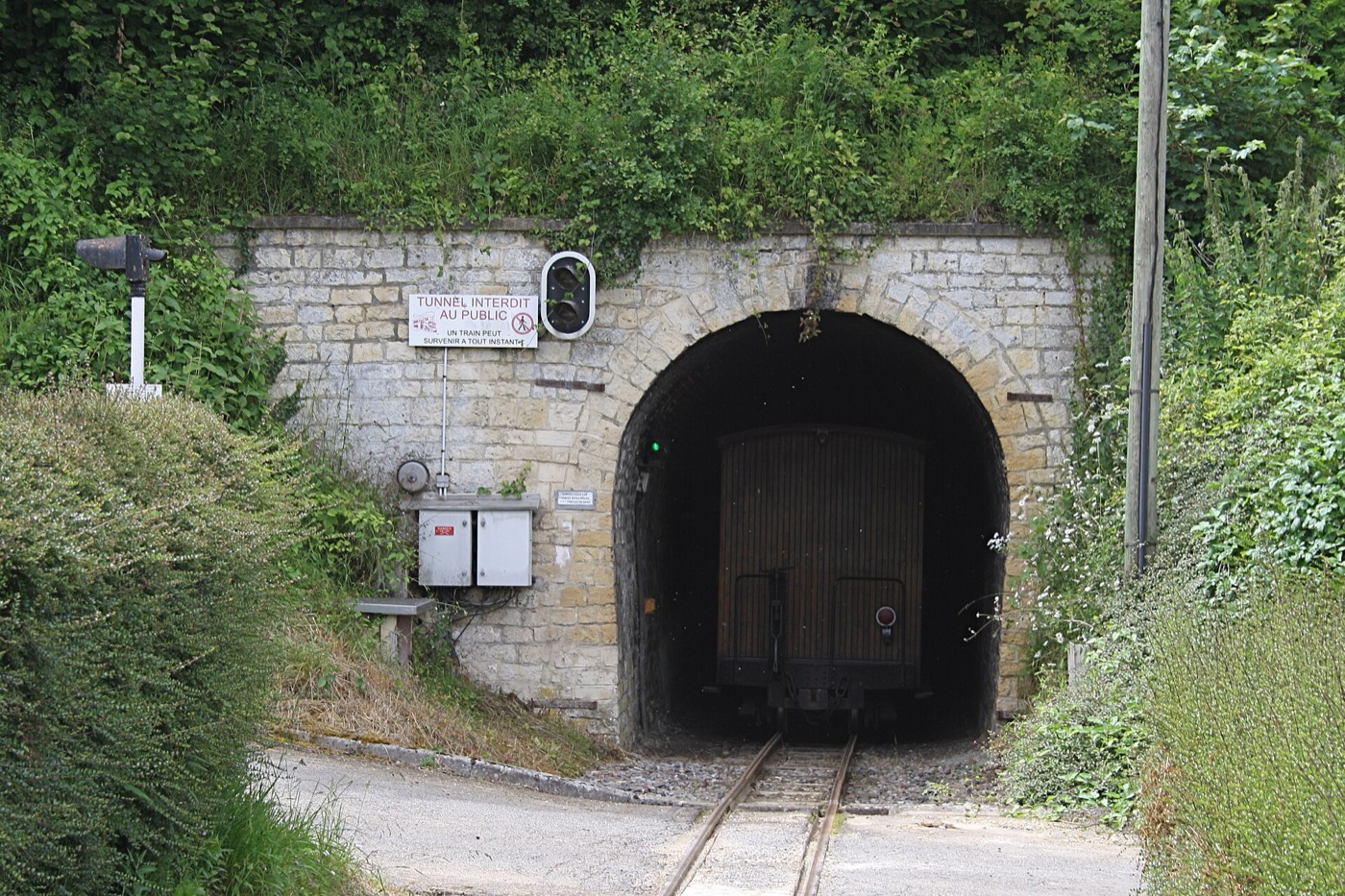
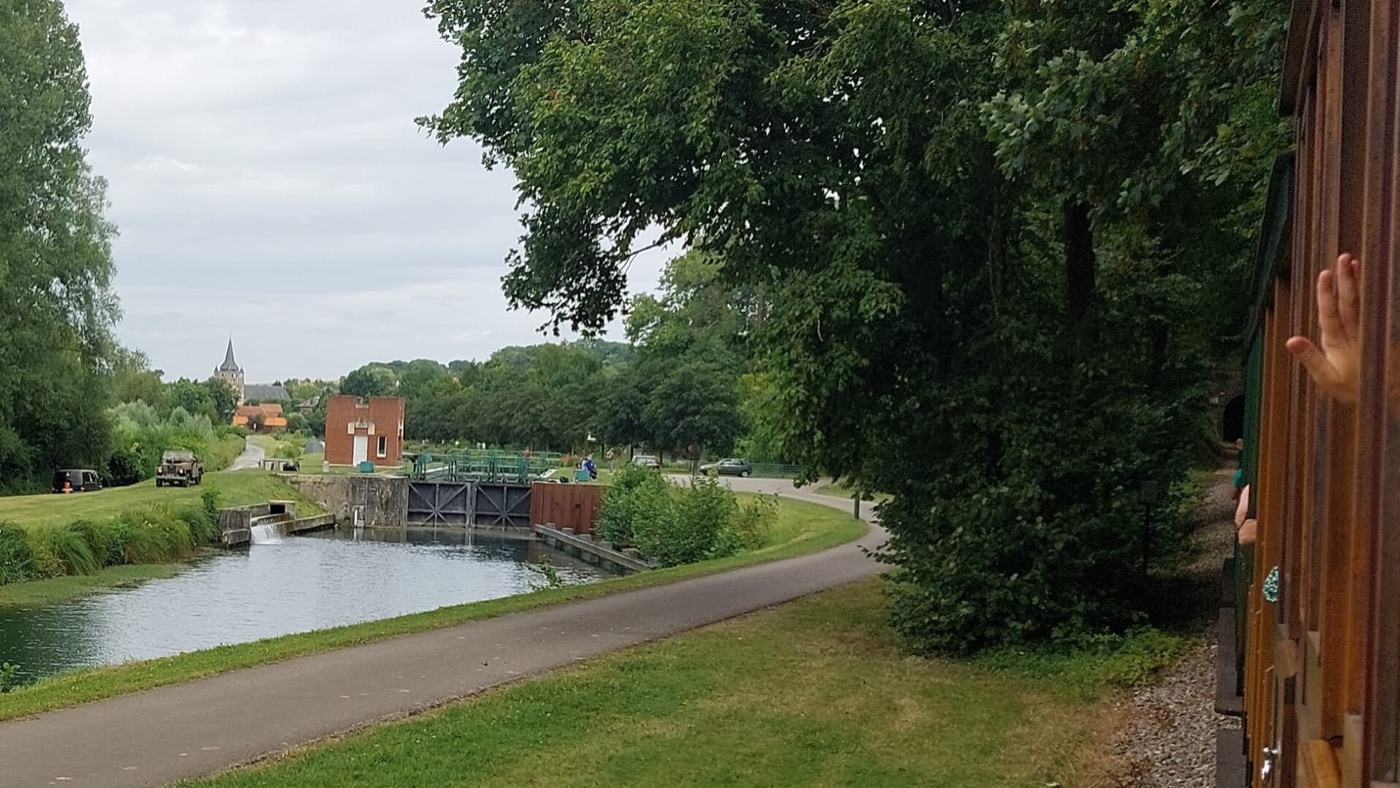
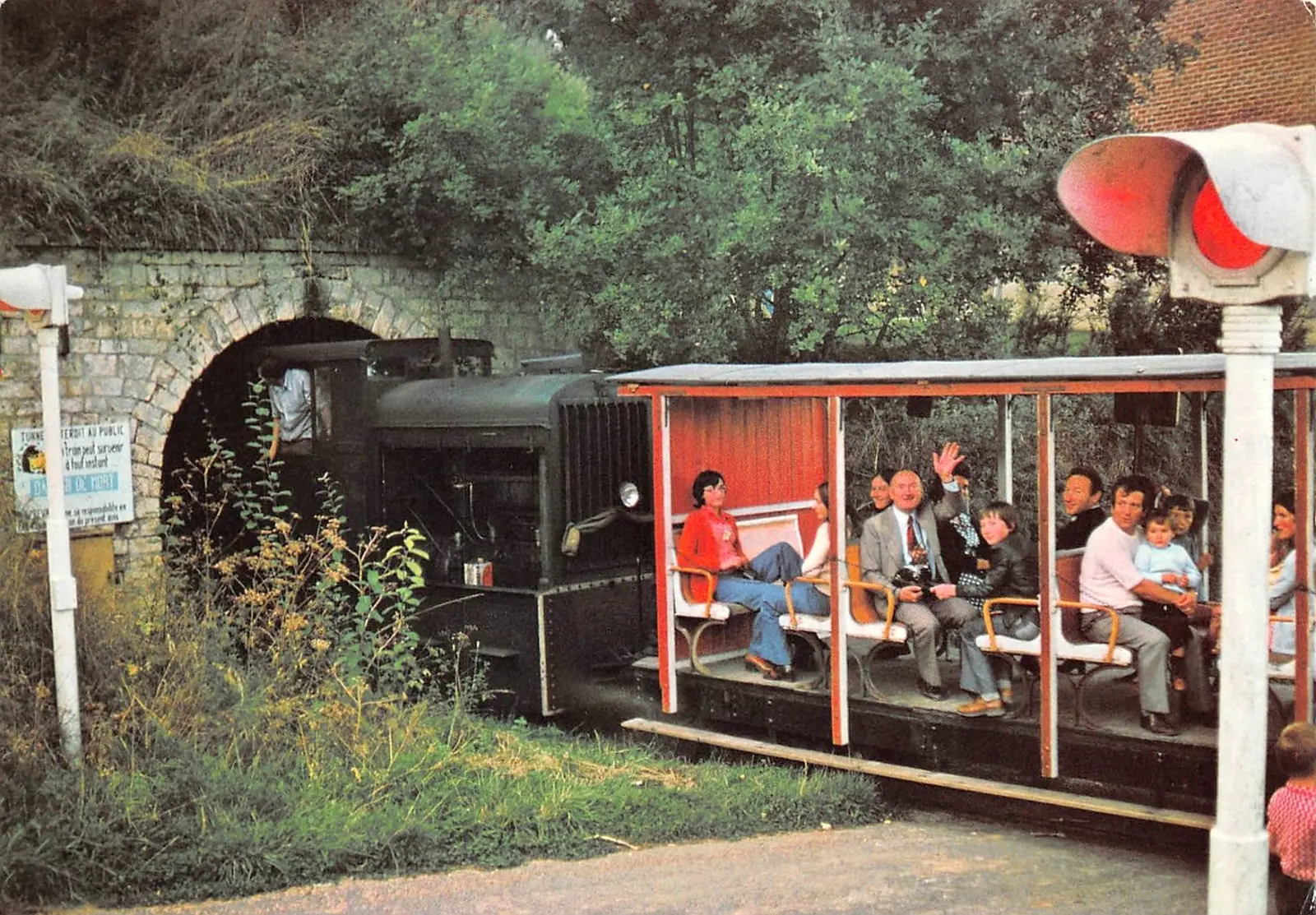
Since 1971, volunteers of the APPEVA have run genuine steam locomotives there. The trip lasts an hour there and back: departure from the hamlet of Froissy, along the Somme canal, through a curving tunnel, a zigzag climb up the hillside — a railway rarity — then across the plateau to the terminus at Dompierre.
At Froissy, the narrow-gauge railway museum houses one of Europe's finest collections of 60 cm gauge equipment: trench locomotives, wagons, draisines.
Climb aboard
- Departure
- Froissy station, route de Roye (D 329), 80340 La Neuville-lès-Bray — 10 minutes from Dompierre
- Season
- Spring to autumn, mainly weekends, public holidays and in summer
- Duration
- 1 hour there and back (14 km), plus a visit to the museum
- Fare
- Around €12 per adult in 2026, reduced for children
- Contact
- 03 22 83 11 89 · appeva.org
The timetable changes every year: check the running days before you go. Highlights: the Heritage Days in September and "Vapeur en fête" in early October.
The little train today
The village in pictures
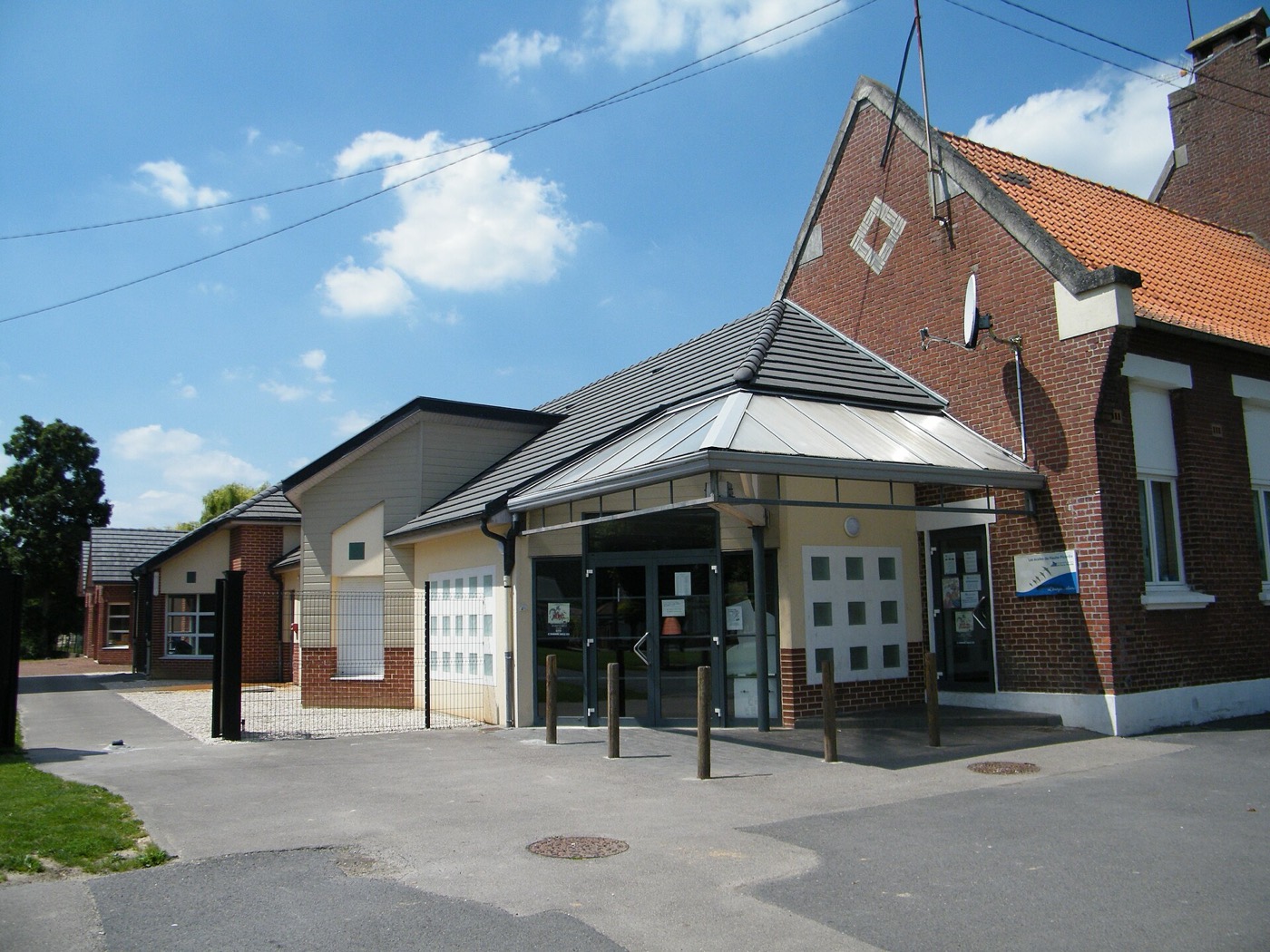
Churches, school, town hall and national cemetery: a few places in the village as you can see them today.


The village's little treasures
The sugar mill estate
About twenty single-storey workers' houses with attic rooms and machine-made tiles, built by the factory for its staff.
The Reconstruction farms
Large closed courtyards, archways, brick barns: the farm architecture of the 1920s, all over the village.
Tchiot Pierre, the giant
Four metres tall, seventy kilos: the village giant comes out for the local festival, in the great tradition of the North.
And the coat of arms?
To date, no official coat of arms is recorded for Dompierre or Becquincourt in the armorials of the communes of the Somme. The lords of the place — the abbots of Saint-Barthélemy, the counts of Vermandois, the d'Humières family — did have theirs, which could one day be brought together to give the village its own.
The commune does at any rate bear a very real distinction: the Croix de guerre 1914-1918.
A call to the village's memory. If you have an old document bearing the arms of Dompierre or Becquincourt (letterhead, seal, stained glass, society banner), let us know: it would complete this page.