
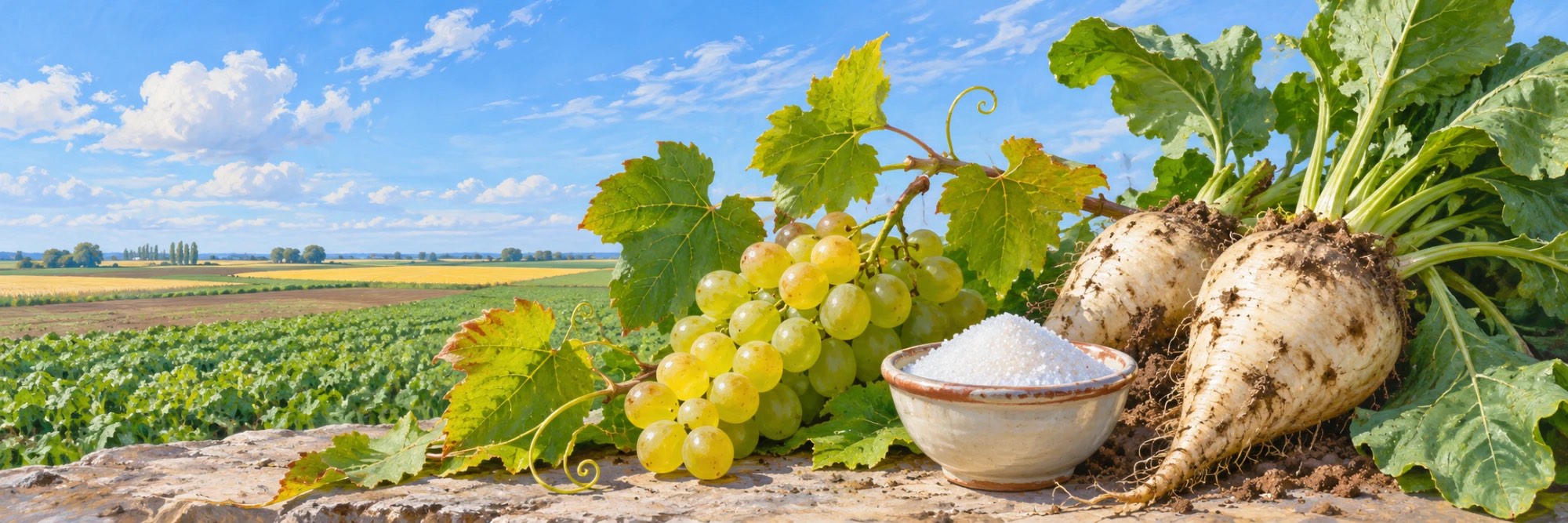
From sugar mill to winery
For over a century, the beet set the rhythm of life in Dompierre. Today, it is grapes that arrive at the factory: wine is made there.
Normand et Cie, the factory in the fields
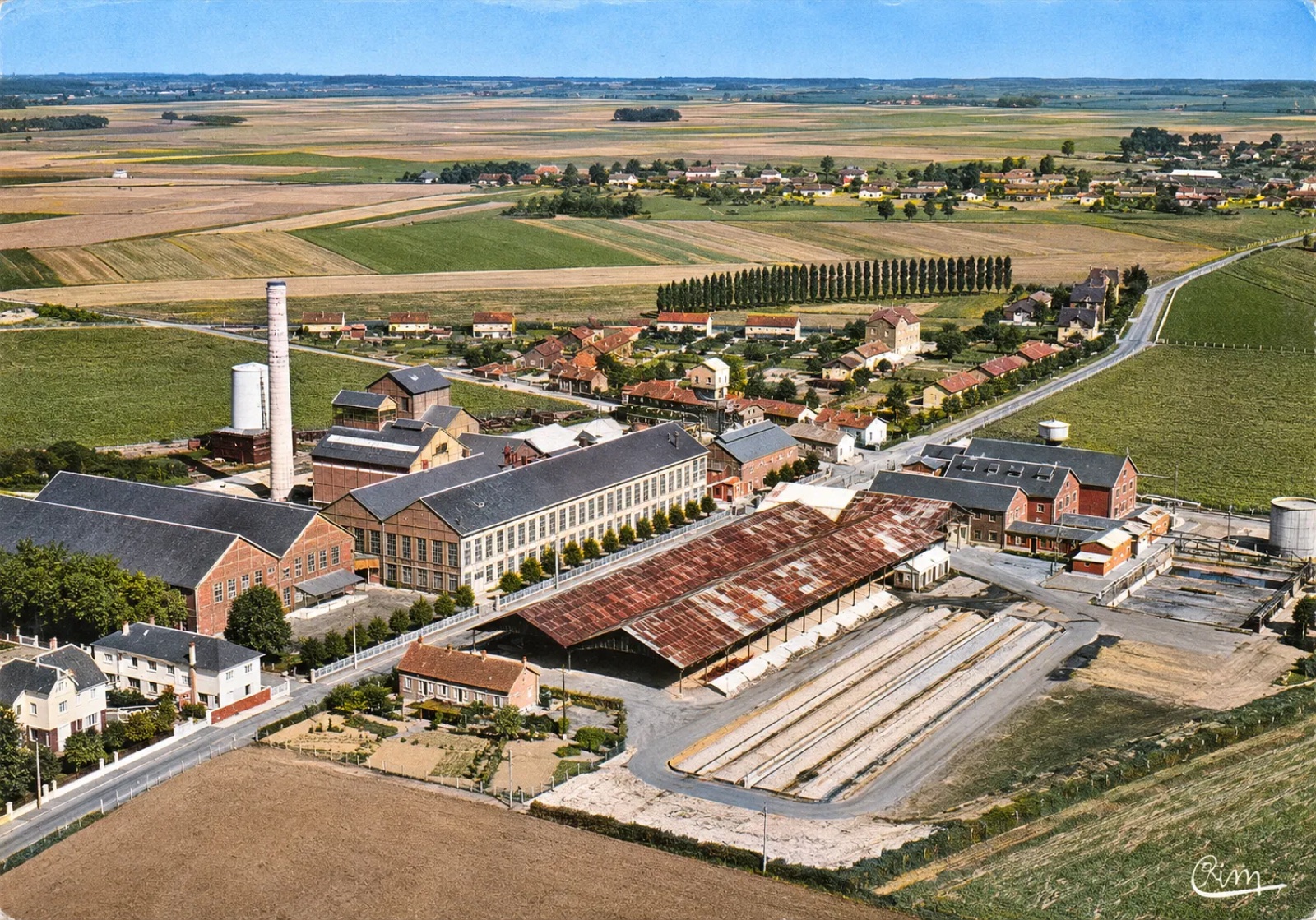
In 1879, the firm Normand et Cie sets up a sugar mill at the edge of Dompierre, at the place called la Remise du Moulin, on the departmental road 71. The choice is logical: the Santerre is one of the best beet-growing lands in France.
The factory grows quickly: two steam generators in 1881, nine boilers in 1892. On the eve of the war, it swallows 700 tonnes of beets a day during the autumn campaign. A whole hamlet grows up around it — "La Fabrique" already has 19 inhabitants in 1896.
A fortress of ruins
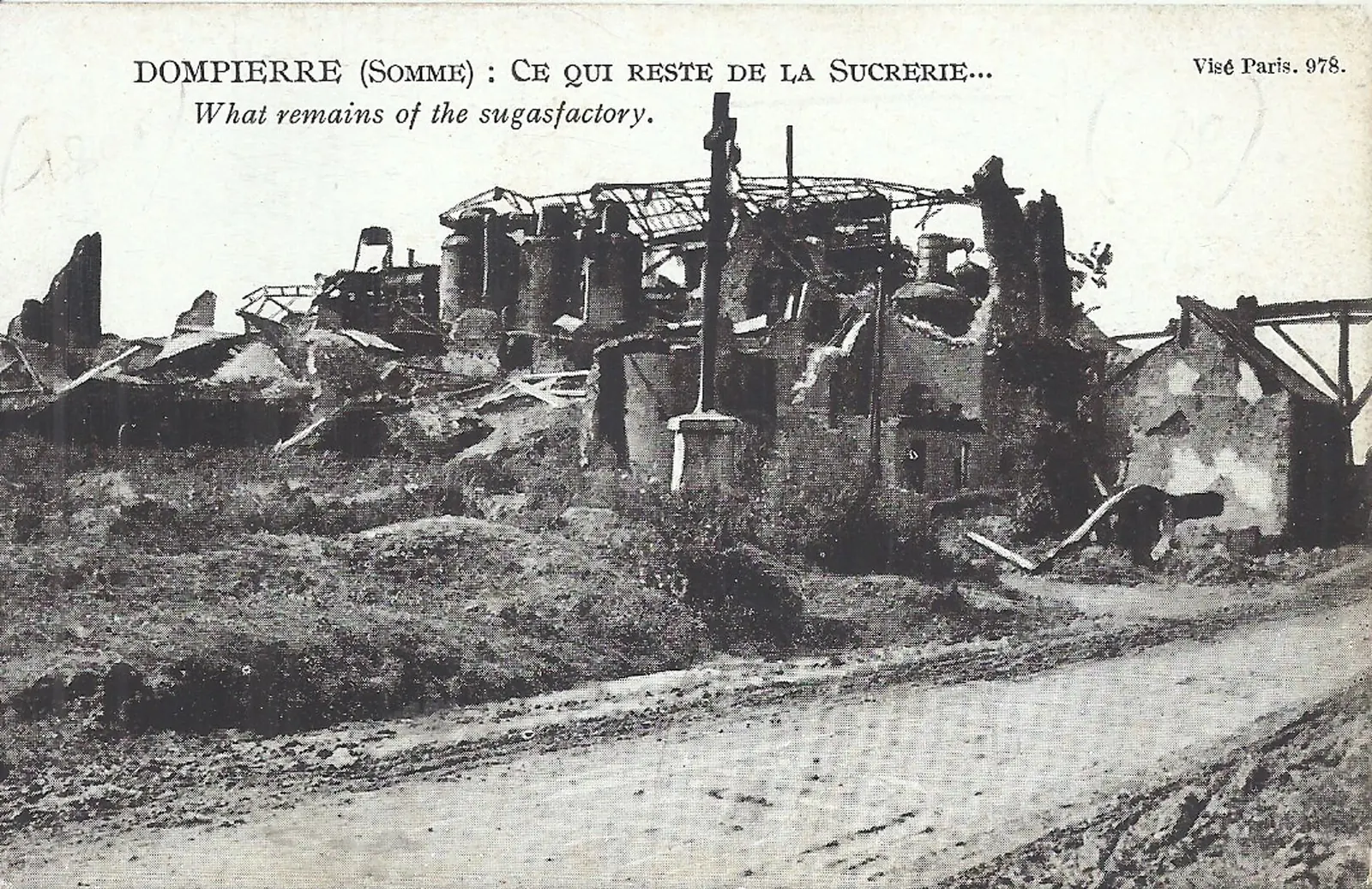
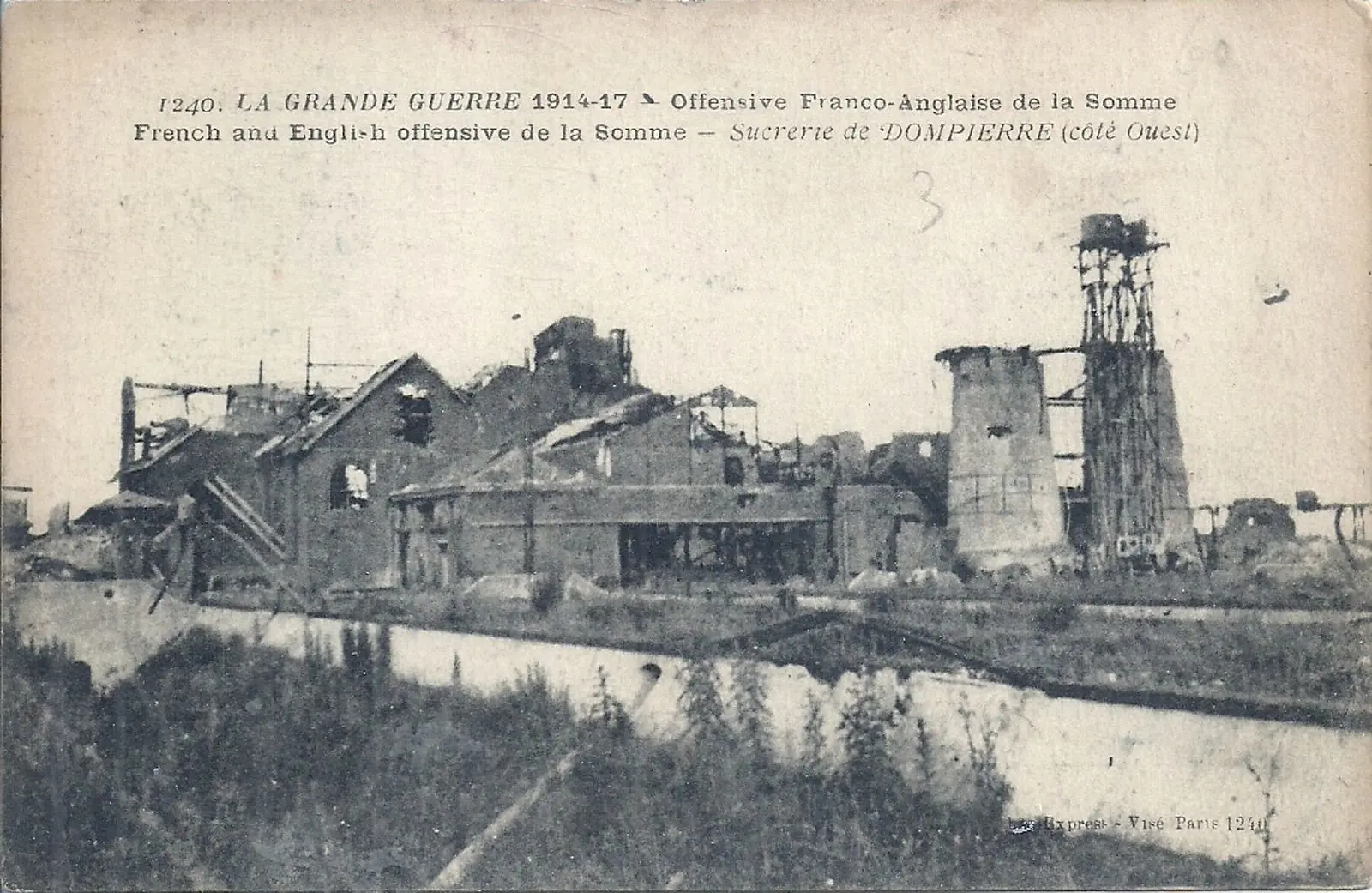
From August and September 1914, bombardments destroy the factory along with a good part of the village. Its ruins, caught in the first German line, become a military stake fought over with mines and guns.
Yet it was there, on the night of Christmas 1914 and again on 30 December, that soldiers of both sides are said to have fraternised during a truce. In August 1916, the painter François Flameng draws for L'Illustration what remains of the sugar mill: a skeleton of twisted girders.
The Sucrerie centrale du Santerre
After the Armistice, Mr Normand has a simple and effective idea: to pool the war-damage compensation of six destroyed sugar mills and beet-rasping plants and rebuild only one, large and modern. The Sucrerie centrale du Santerre is built in 1922-1923 and runs from the 1923-1924 campaign, supplied by three rasping plants at Proyart, Dreslincourt and Flaucourt.
It also takes over the small railways laid by the armies in 1916, towards Barleux, Chaulnes and Cappy. It is by the Cappy one that sugar goes down to the Somme canal, until 1973.
The sugar mill in turmoil
A factory, a village
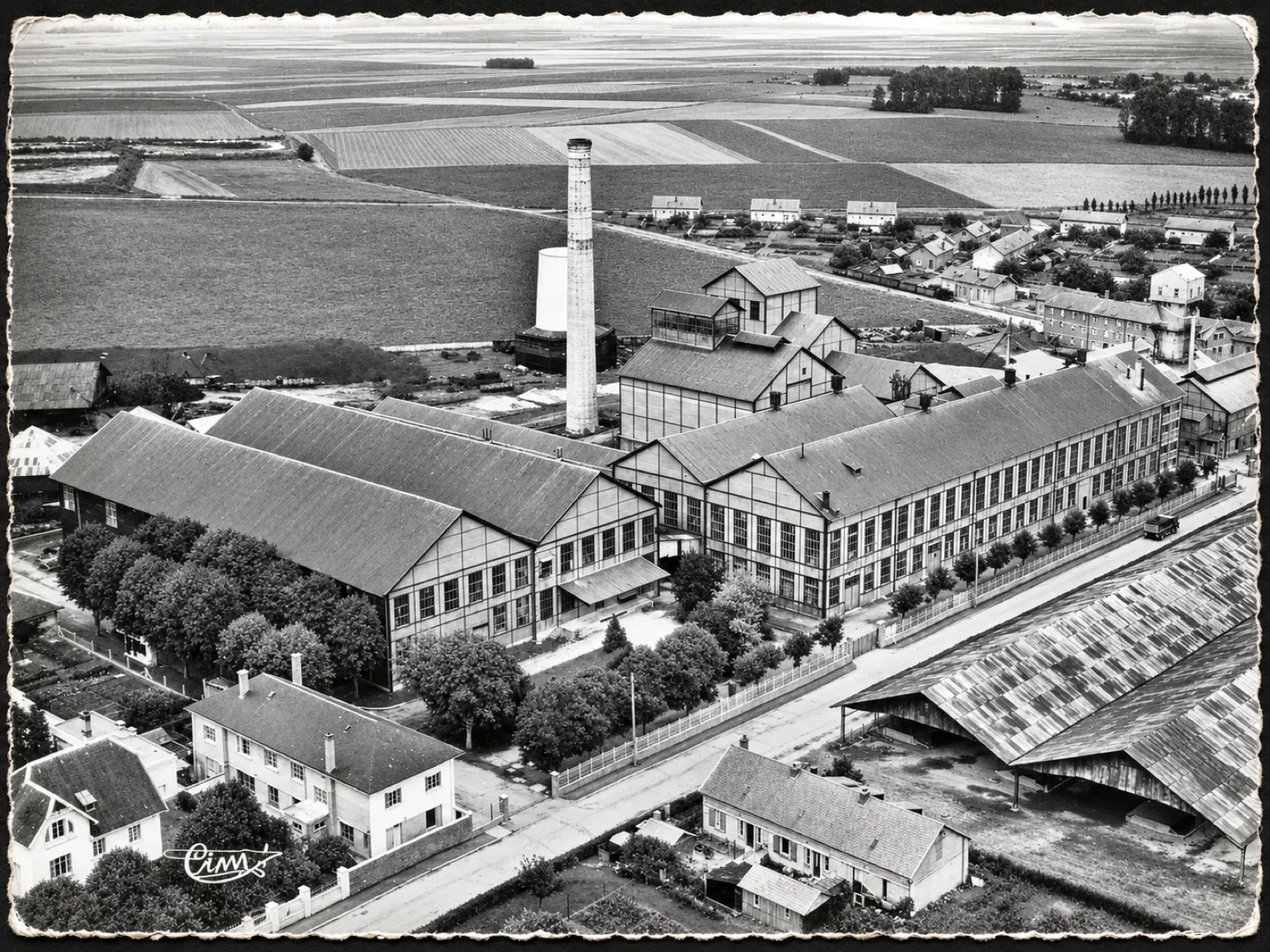
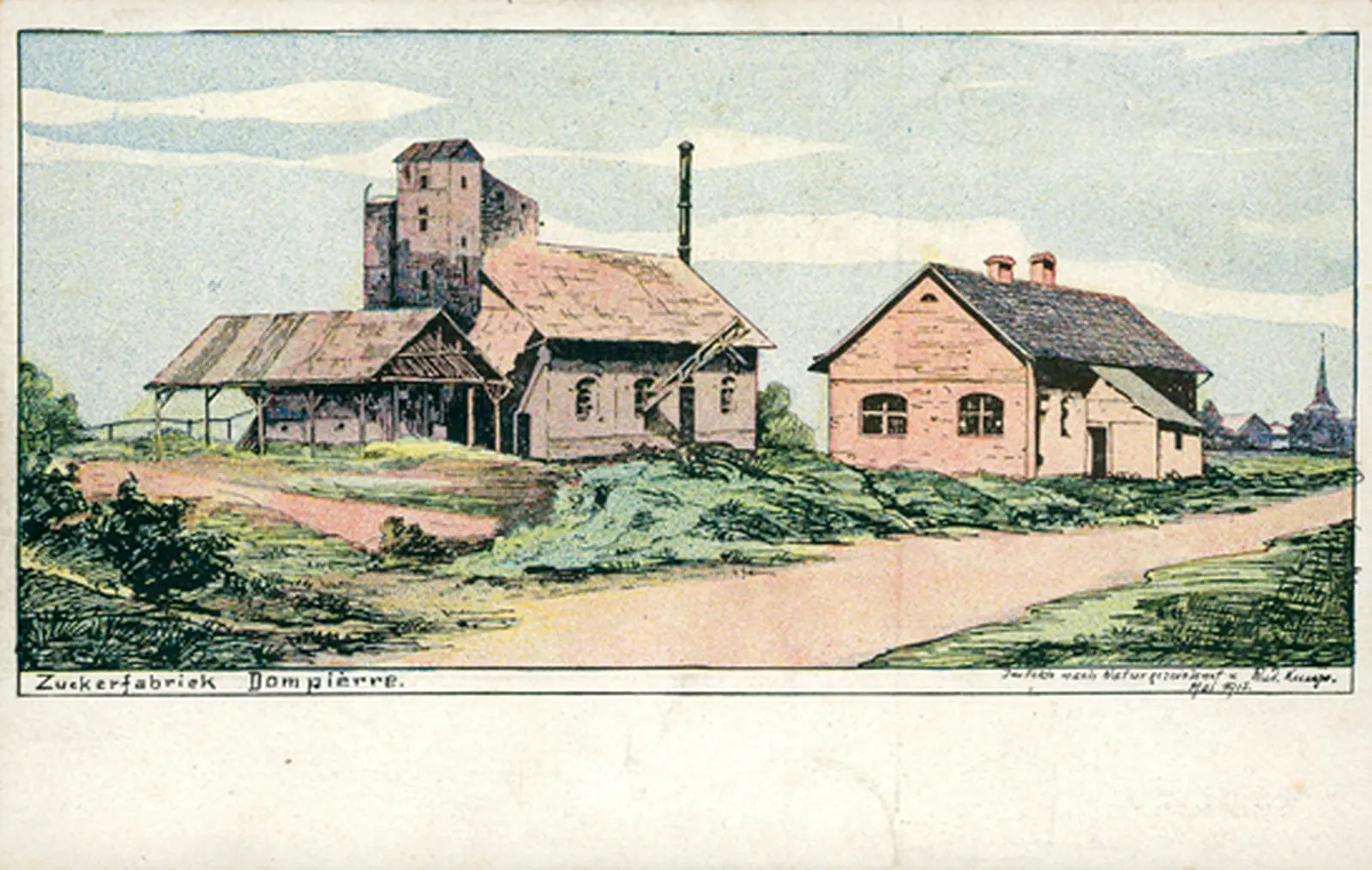
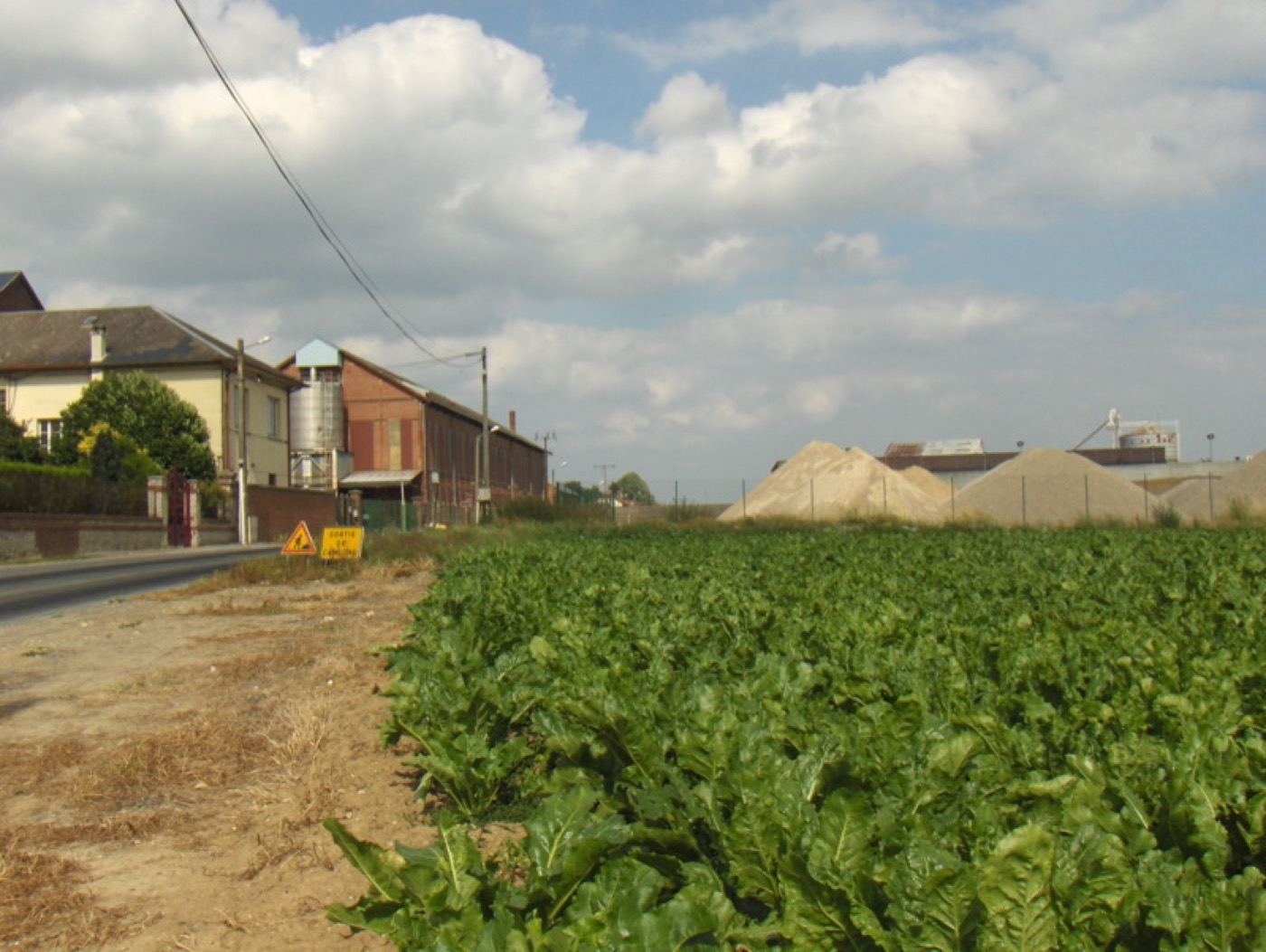
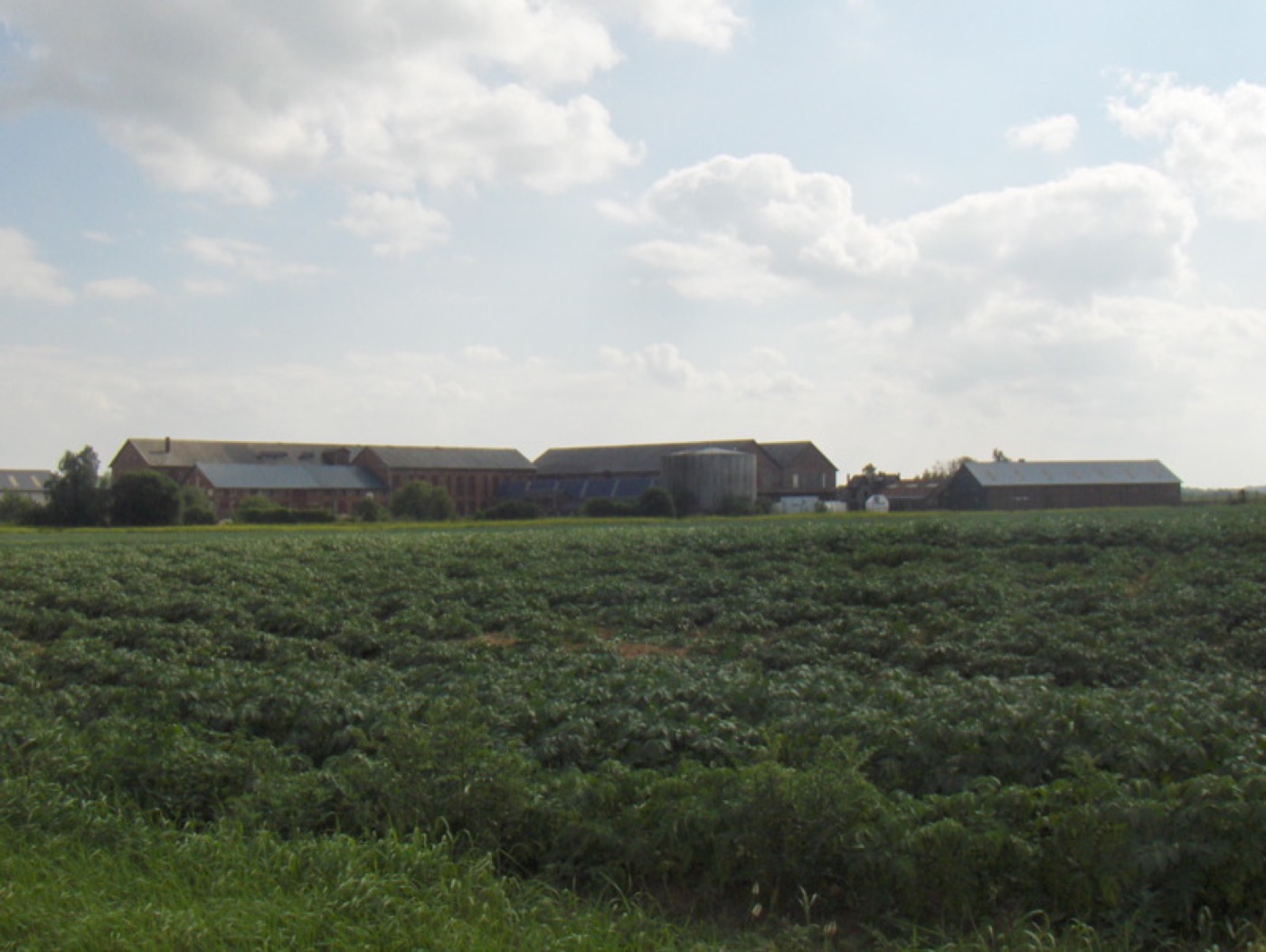
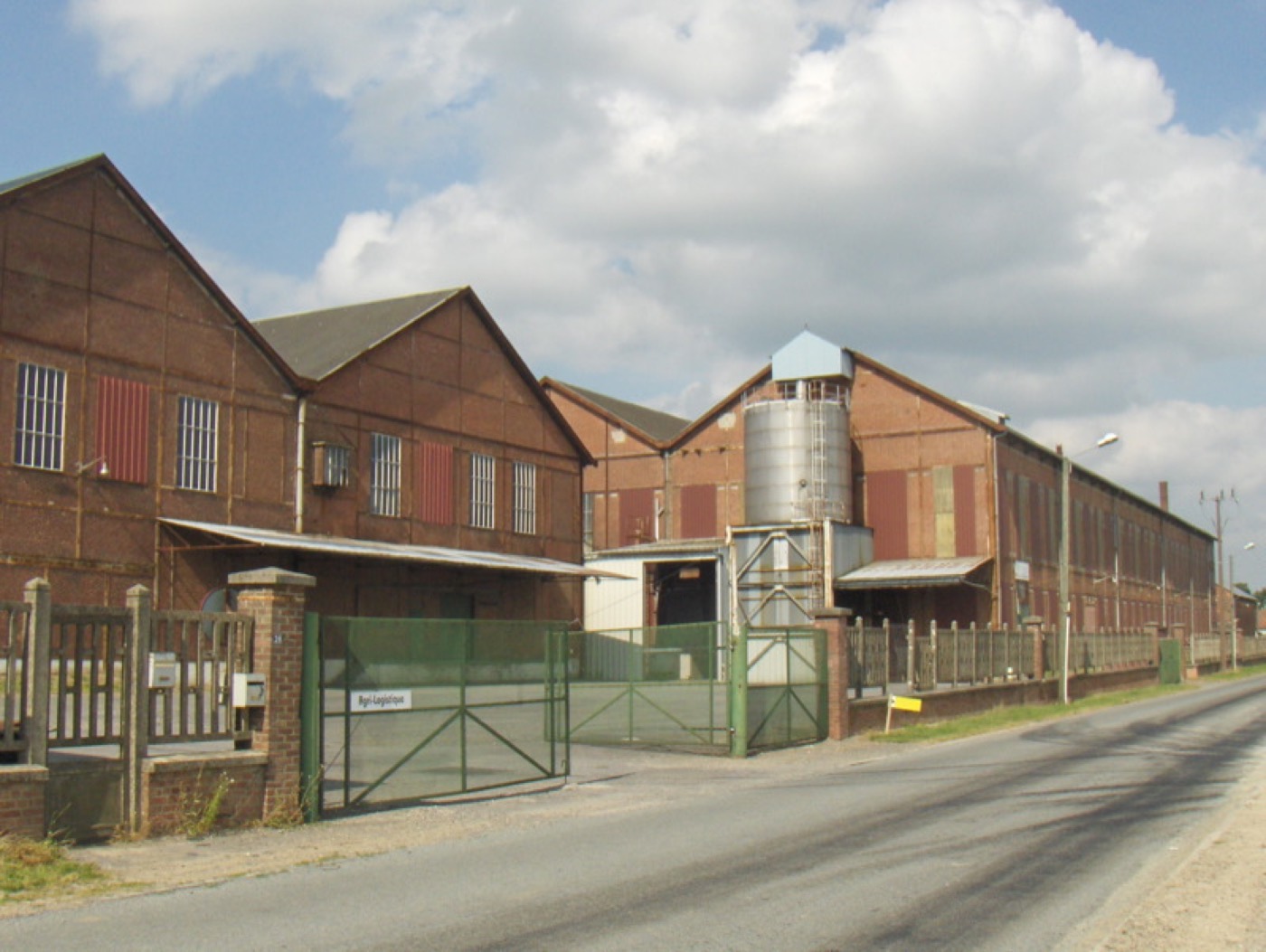
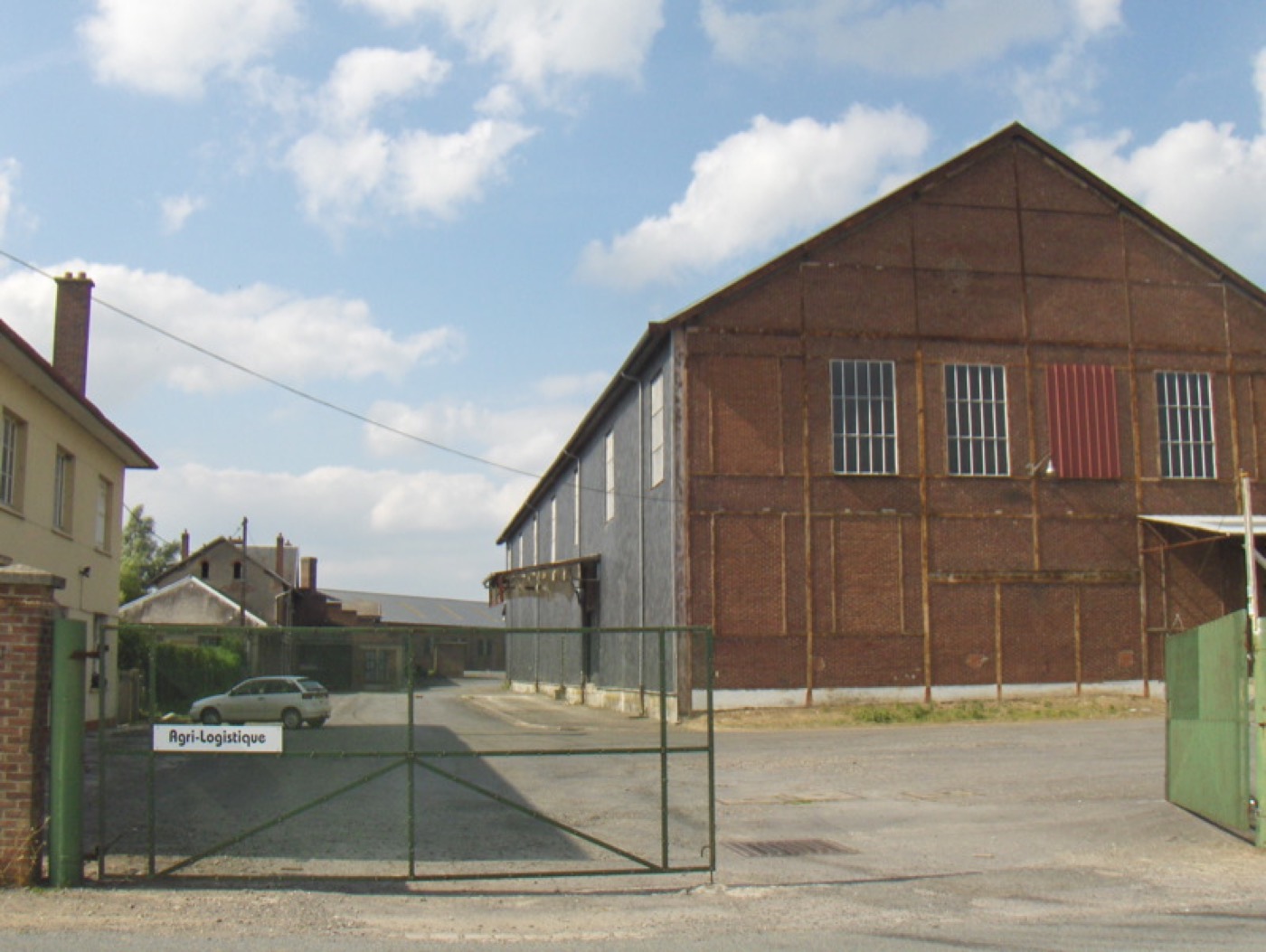
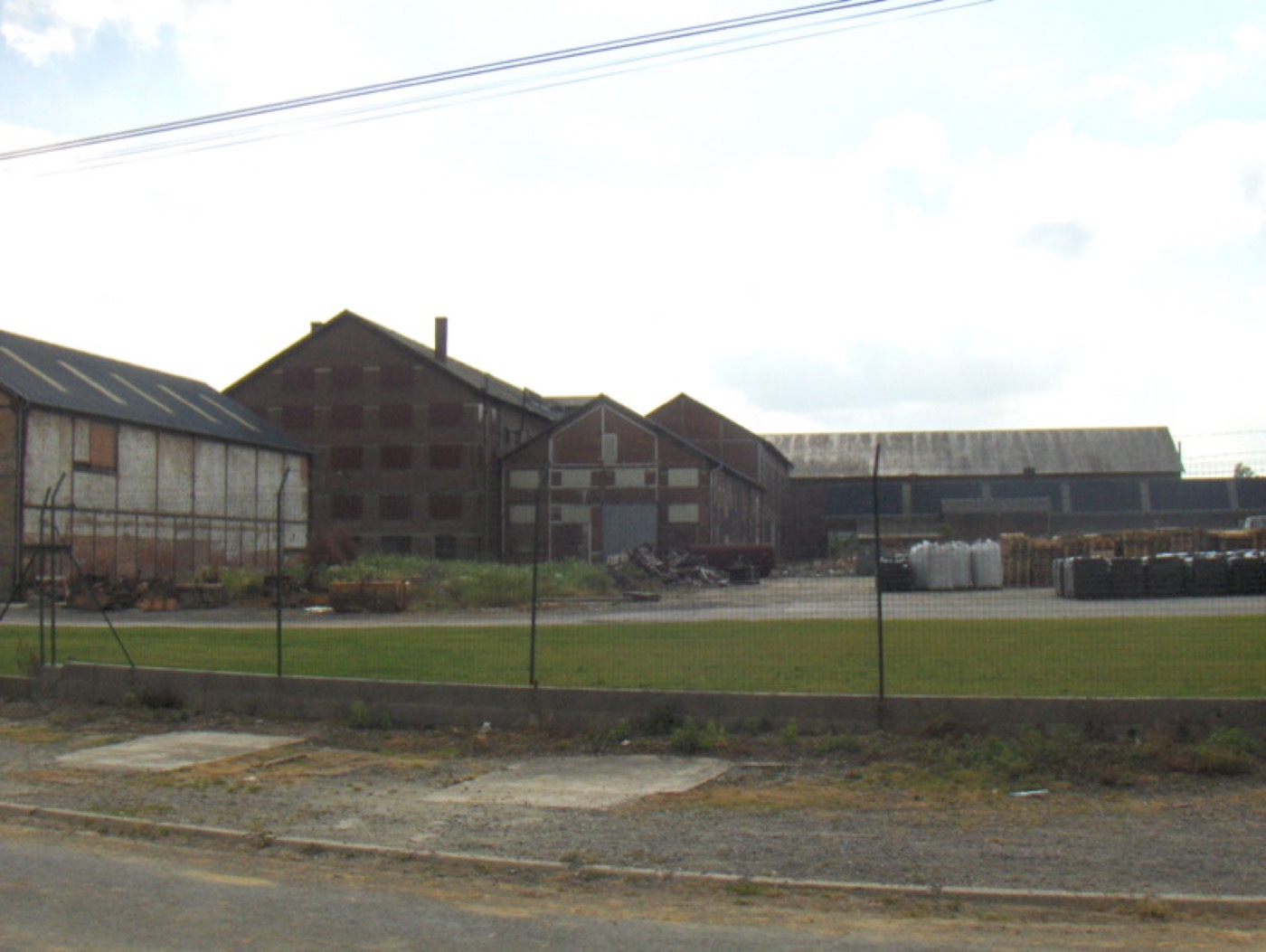
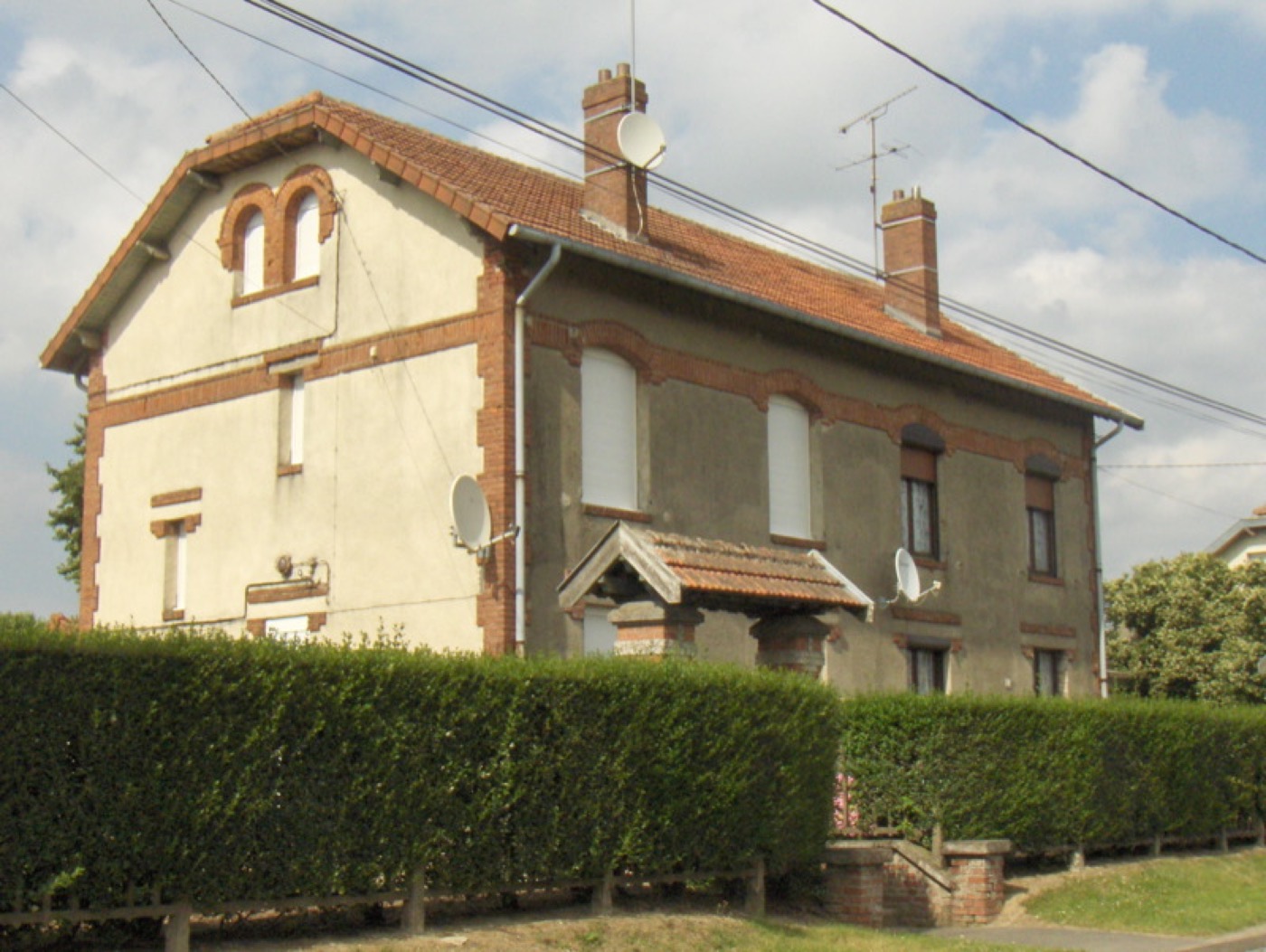
Rasping plant, distillery, lime kiln, vats: the factory keeps growing until the 1970s. Its brick workshops, decorated with geometric ceramic motifs, dominate the plain.
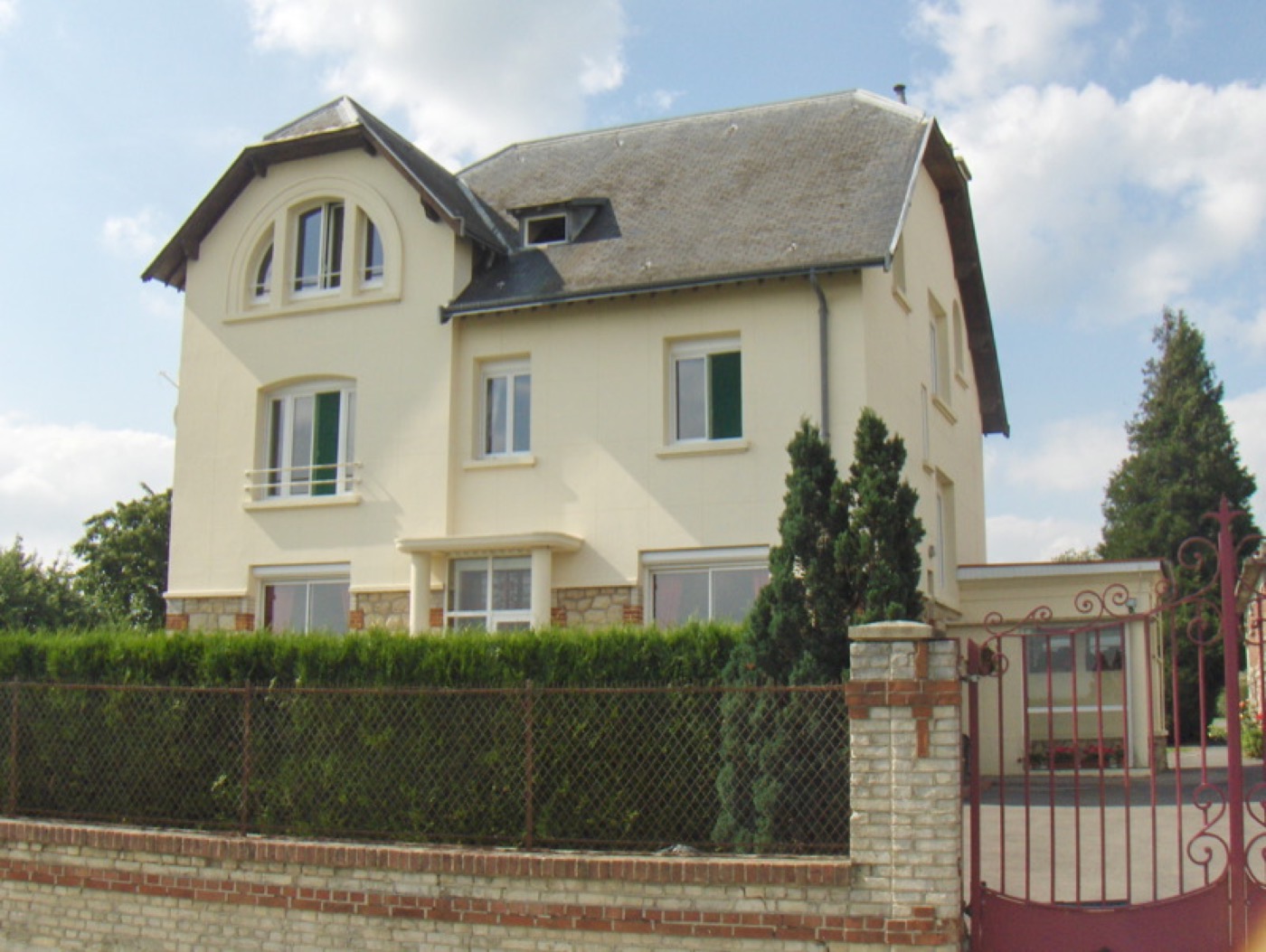
The sugar mill houses its staff — about twenty houses, some fifty homes for managers, workers and seasonal staff. It employs more than 200 people in 1962 and 255 in 1983. It is its employees who found the football club in 1937.
But the concentration of the sugar industry gets the better of it: having passed under the colours of Société Vermandoise Industrie, the factory stops for good in 1988.
Three names for one factory
- 1879
- Sucrerie Normand et Cie
- 1922
- Sucrerie centrale du Santerre (SCS)
- Afterwards
- Société Vermandoise Industrie
- 2023
- Hauts-de-France winery
The site is listed by the General Inventory of Cultural Heritage of the Hauts-de-France Region.
What remains of the factory
The brick buildings of the old sugar mill and its workers' estate, photographed in 2008. Click an image to enlarge it.
The 130: when beet farmers become winegrowers
Who would have bet that grapes would one day be harvested in the Santerre?
With climate warming, the vine is moving north. Around the agricultural trader Ternoveo and the cooperative group Advitam, farmers from all over the region have planted chardonnay on small plots. There were 130 of them at the start: the name was found.
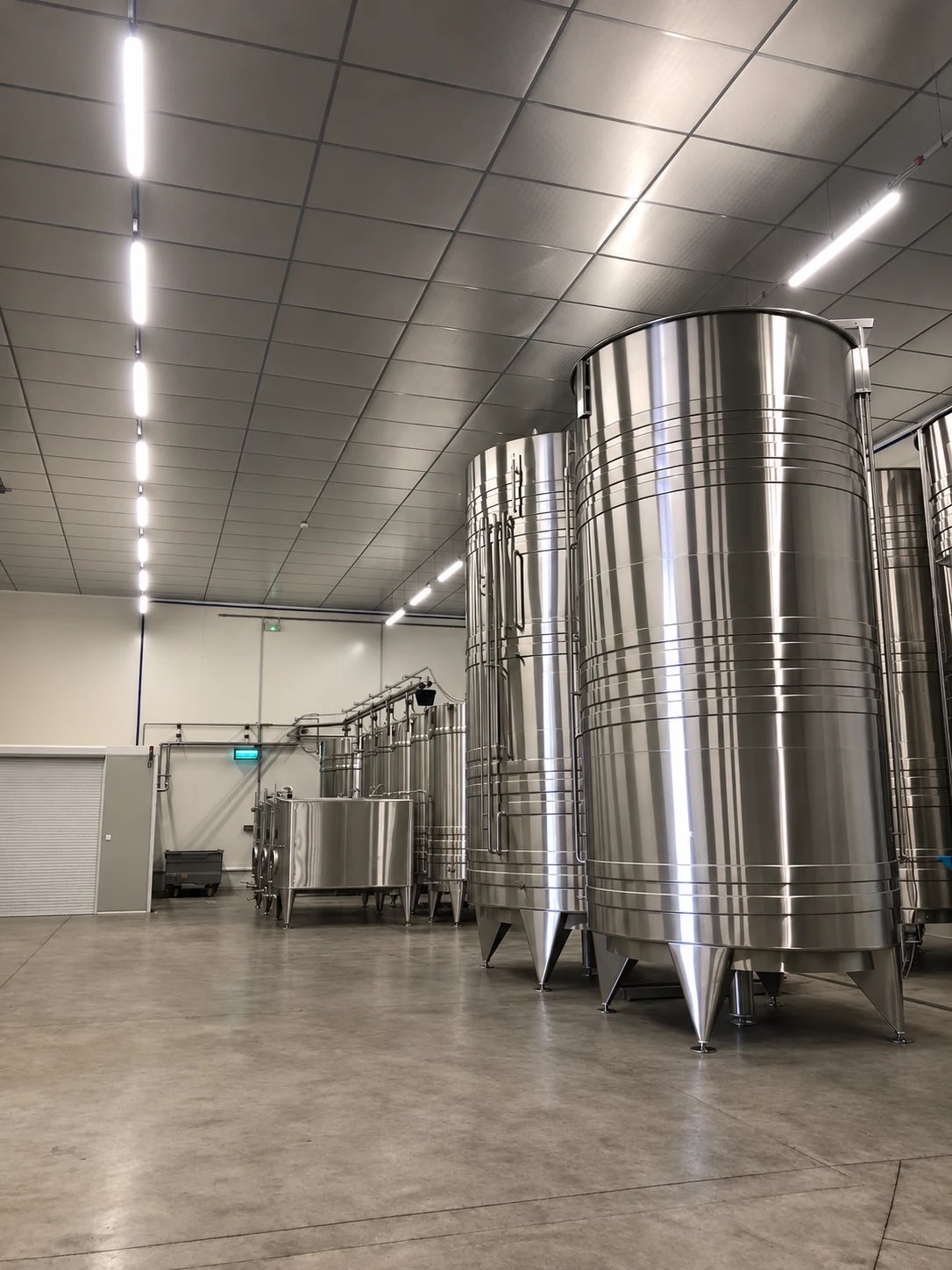
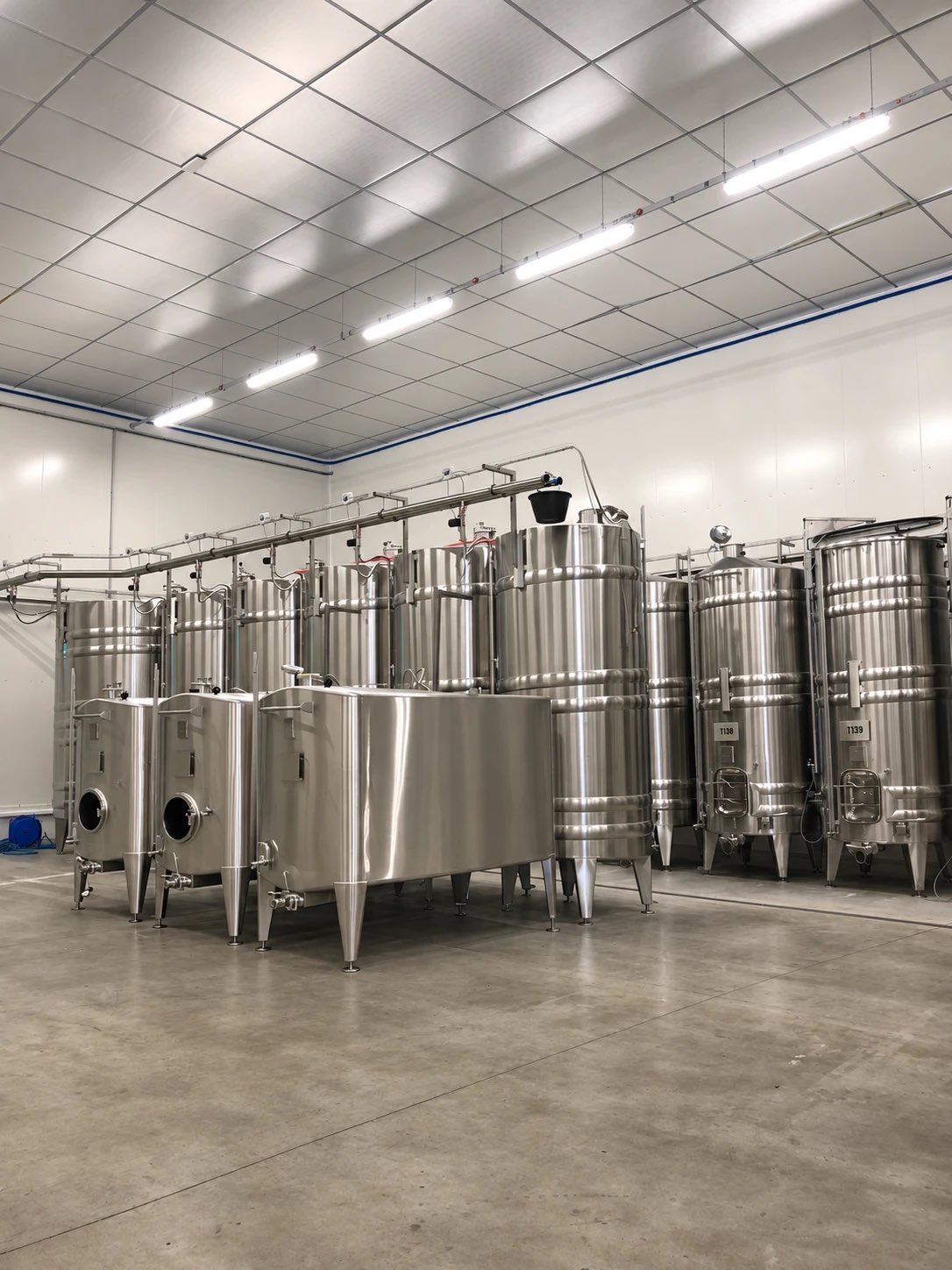
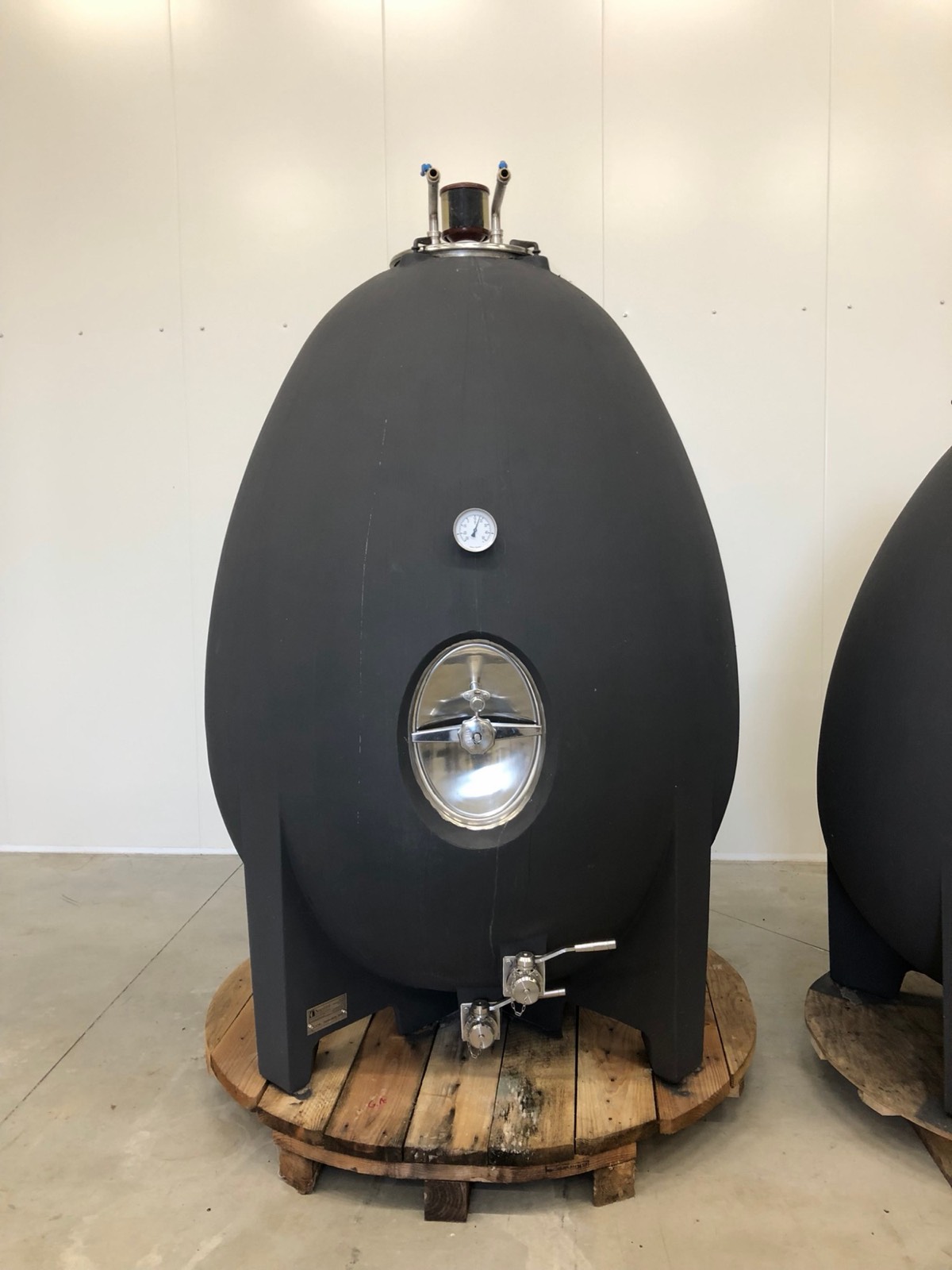
They needed a winery. They chose the old sugar mill of Dompierre, rehabilitated in two years of works and inaugurated on 18 January 2023, after a first harvest in September 2022. It has a press, a vat room, an oenology laboratory and a cellar door for sales and tastings.
The vines are certified High Environmental Value and moving towards organic. After the still whites, the house launched in 2026 its first sparkling wine, "Ch'Typik Bulles de Chardonnay".
The 130 cellar door
- Address
- 28, rue de Chuignes
80980 Dompierre-Becquincourt - On site
- Direct sales and tasting of the house's white and sparkling wines
- Opening hours
- Vary with the season: check before you come
- Telephone
- 07 70 22 24 25 (visits and tastings)
- Website
- les130.com
Alcohol abuse is dangerous for your health. Drink in moderation.
From sugar to wine, the loop is a pretty one: it is still the farmers of the area who keep the factory alive.
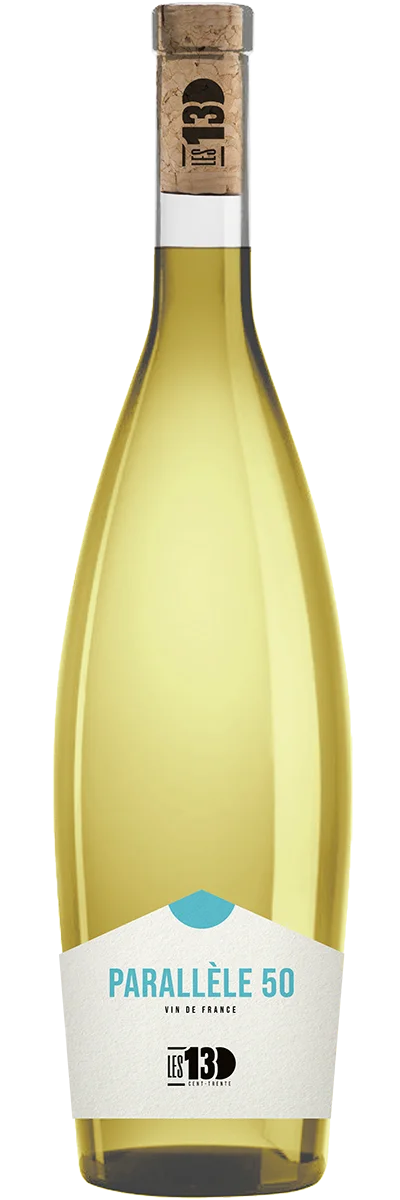
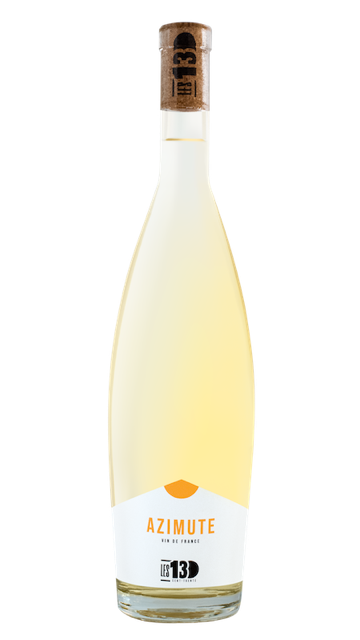
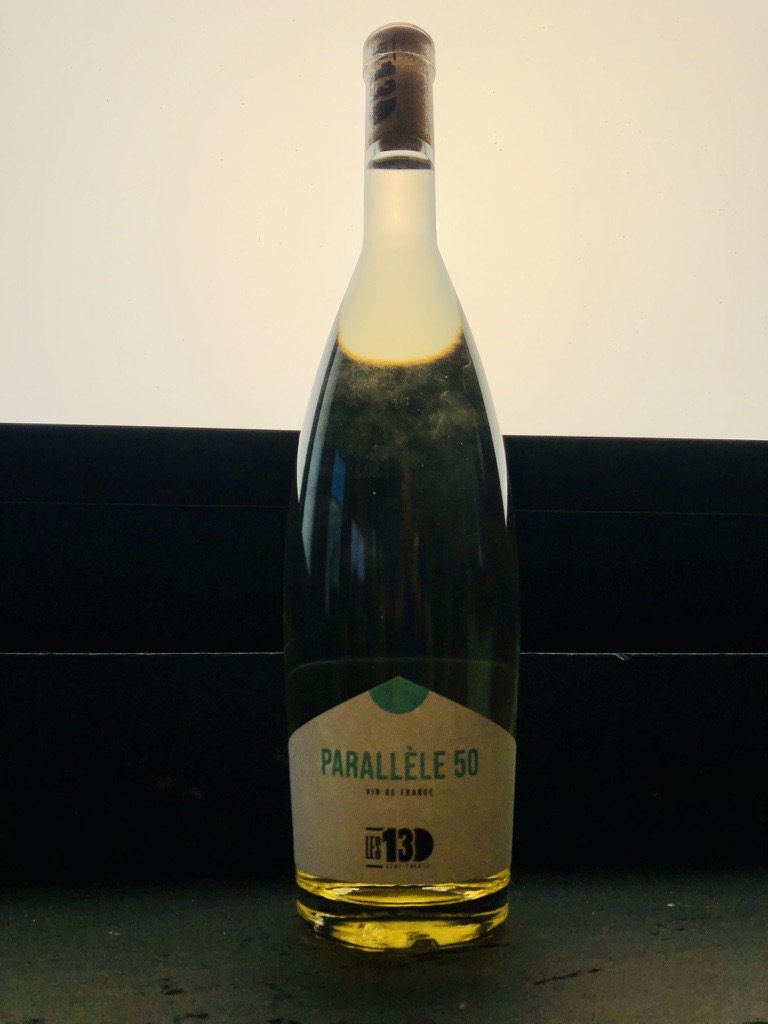
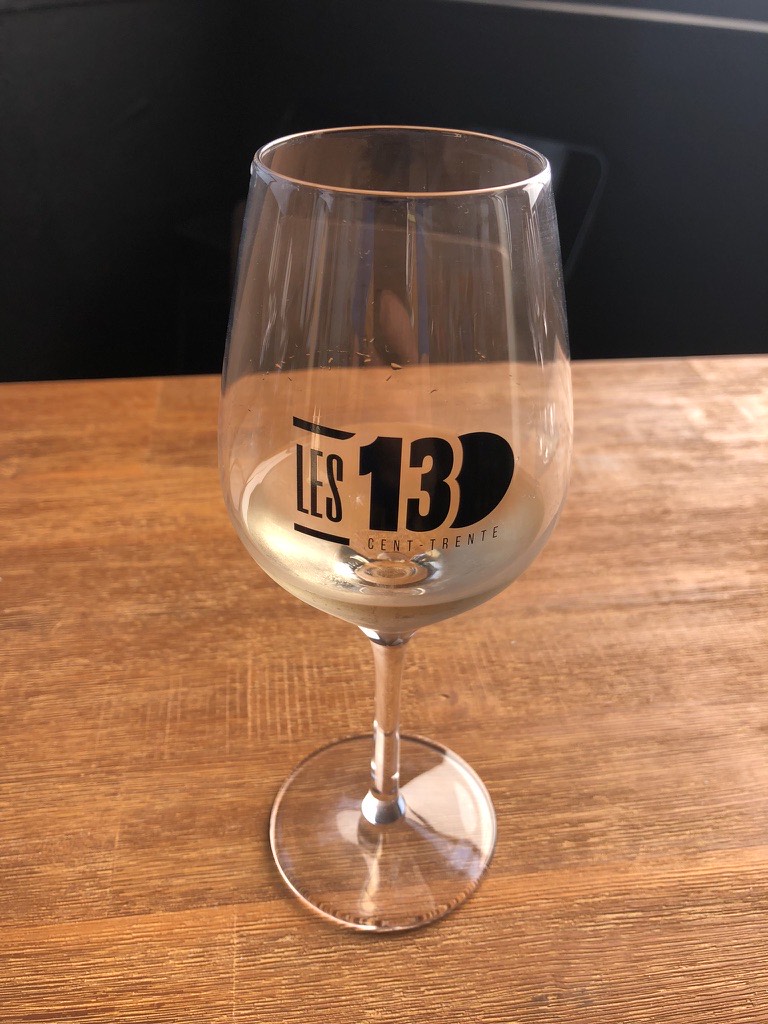
Behind the scenes at Les 130
A few pictures taken during a visit, from the vat to the glass, with the plain that grows the grapes.
The sugar mill's track still runs
Without the sugar mill, the 1916 military line would have been dismantled like so many others. It is because it was used to carry sugar to the canal that it still existed in 1971, when a handful of enthusiasts launched a tourist train on it. The Haute Somme little train now ends its run at Dompierre, right next to the old factory.